Restore Balance, Ease Tension, Reclaim Your Life
Massage Therapy (RMT)
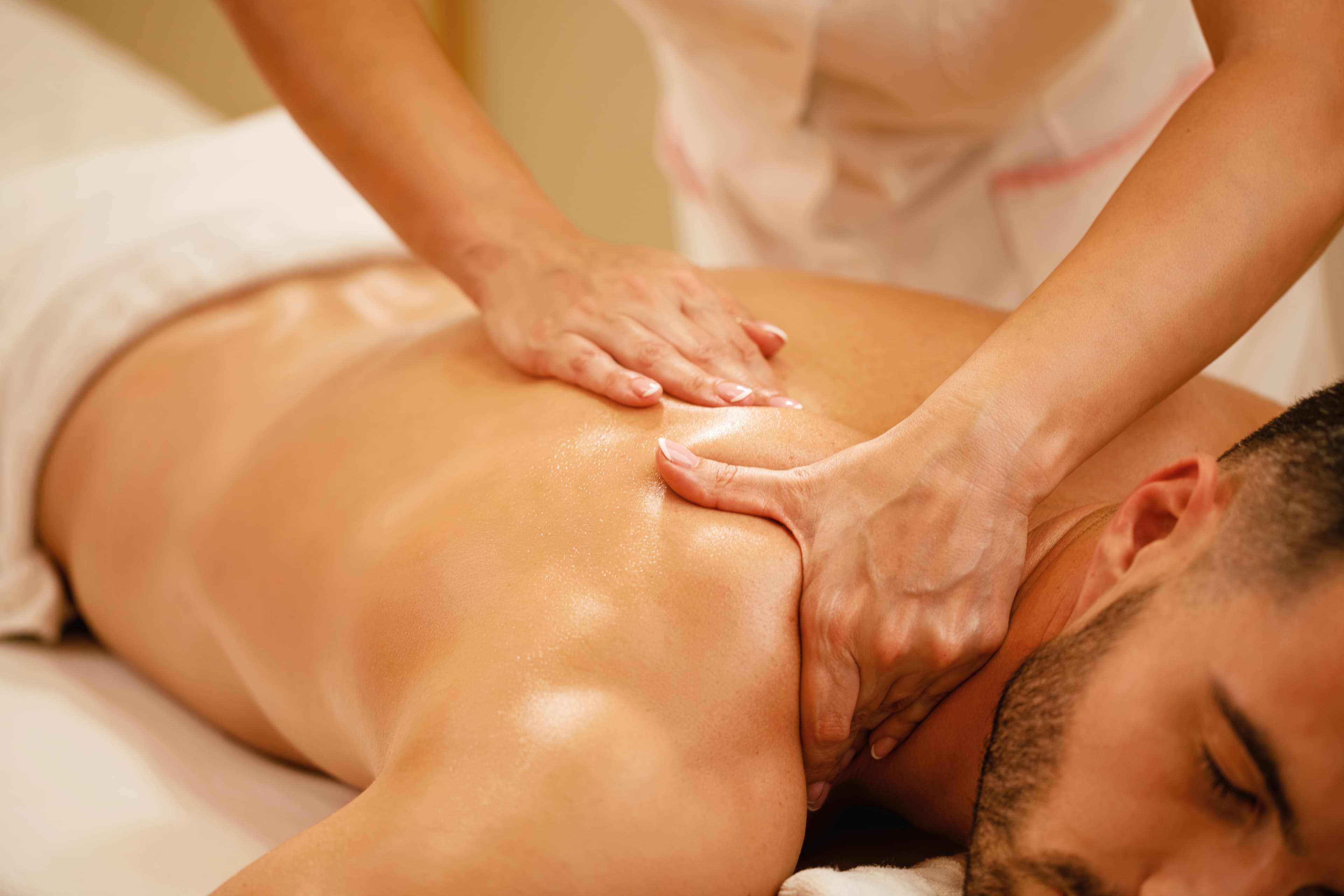
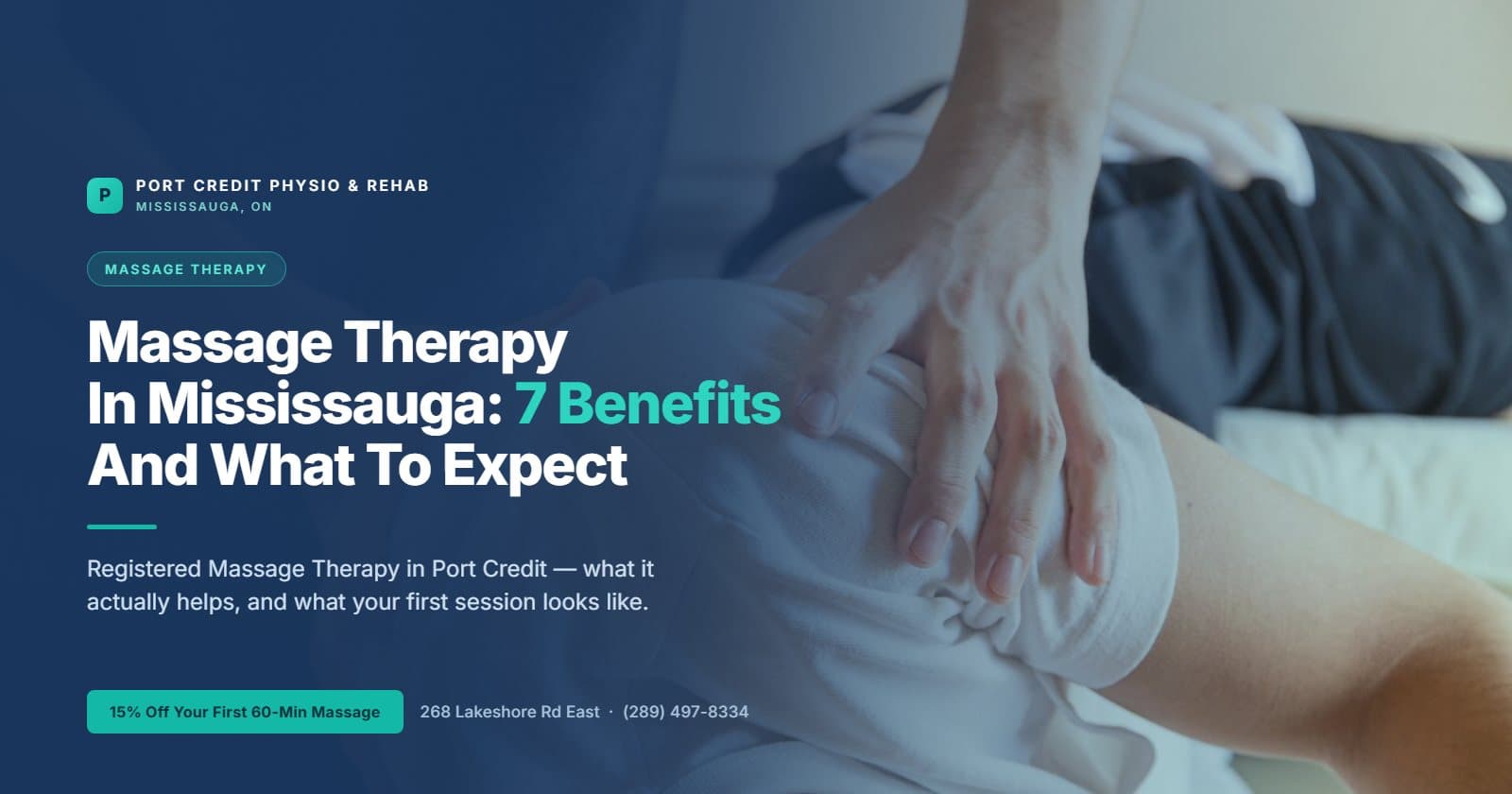
Carrying stress, tightness, or nagging pain in your muscles? Our Registered Massage Therapist in Port Credit uses hands-on, evidence-based techniques to release tension, improve circulation, and help you move and feel better — whether you're managing an injury, training for sport, or simply need to unwind. Massage therapy is a hands-on treatment in which a Registered Massage Therapist uses their hands, fingers, forearms, and specialized tools to apply pressure, kneading, and stretching to your muscles, tendons, ligaments, and connective tissue. By adjusting pressure and technique to your specific needs, your therapist works to release tight muscles, break up areas of tension, and calm an overactive nervous system. Massage therapy isn't just about relaxation — it's a clinically supported treatment used to manage pain, speed up recovery, and restore healthy movement. At Port Credit Physio & Rehab, our Registered Massage Therapist works alongside our physiotherapy team to build a plan around your specific goals, whether that's recovering from an injury, easing chronic pain, or simply keeping your body feeling its best.
Direct billing to all major insurance providers, including WSIB.
Registered Massage Therapist trained in a wide range of manual therapy techniques.
Customized treatment plans for injury recovery, sports performance, stress, and everyday tension.
What Your Massage Therapist Does
At your first visit, your therapist will take a full health history and assessment to understand where you're holding tension, what's driving your pain, and what you're hoping to achieve. From there, they'll build a hands-on treatment plan that may include:
Deep tissue work and trigger point release
Joint mobilization and passive stretching
Myofascial release
Techniques tailored to sport, injury, or stress-related tension
At-home care and self-management strategies to support your progress between visits
Your comfort always comes first — sessions are adjusted to your preferences, and you're always in control of pressure, technique, and areas of focus.
Types of Massage We Offer
Deep Tissue Massage
Deep tissue massage uses firm, sustained pressure to reach the deeper layers of muscle and connective tissue. It's especially effective for chronic tension, postural pain, and areas that feel "stuck" or restricted — such as tight shoulders from desk work or a lower back that never fully loosens up.
Swedish Massage
Swedish massage uses long, flowing strokes, kneading, and light-to-moderate pressure to relax the body, improve circulation, and ease everyday muscle tension. It's a great option if you're looking for a treatment that supports both physical relief and overall stress reduction.
Hot Stone Massage
Hot stone massage combines the benefits of massage with the deep, penetrating warmth of heated stones. The heat helps muscles relax more quickly, allowing your therapist to work deeper with less discomfort — ideal for chronic tightness or when your body needs extra help letting go of tension.
Cupping Therapy
Cupping uses suction to lift and decompress soft tissue, which can help release fascial restrictions, improve blood flow, and reduce muscle tightness. Many patients find cupping especially helpful for stubborn areas of tension in the back, shoulders, and legs that don't respond as well to pressure alone.
Head Massage
Focused massage of the scalp, neck, and upper shoulders can relieve tension headaches, ease jaw and neck tightness, and calm the nervous system. It's a simple, effective way to relieve the strain that builds up from screen time, stress, or poor posture.
Sports Massage
Sports massage is designed for active individuals and athletes, focusing on the muscle groups used in your specific sport or activity. Whether you're preparing for competition, recovering after a big training block, or managing an overuse injury, sports massage can help reduce soreness, improve flexibility, and support faster recovery.
Why Massage Therapy Matters
Relieve pain and tension
Manual pressure helps ease tight, overworked muscles and reduce discomfort from conditions like low back pain and tension headaches.
Improve circulation
Massage encourages blood flow to affected tissues, helping deliver oxygen and nutrients that support healing.
Increase flexibility and range of motion
By working on muscles and connective tissue, massage helps reduce stiffness and restore natural movement.
Reduce stress and support mental health
Massage lowers cortisol levels and promotes relaxation, which can ease symptoms of anxiety and improve mood.
Support better sleep
A relaxed nervous system and reduced muscle tension often translate into deeper, more restful sleep.
Speed up recovery
Whether from a workout, an injury, or surgery, massage can help reduce swelling and support the body's natural healing process.
Prevent future injury
Ongoing maintenance massage helps identify and address tight or imbalanced areas before they become a bigger problem.
Conditions We Help Treat
Massage therapy at our Port Credit clinic goes beyond relaxation — it's a targeted, clinically supported treatment for a wide range of pain conditions.
Lower Back Pain
One of the most common reasons people search for massage therapy. Deep tissue and myofascial release techniques help relax tight lumbar muscles, reduce inflammation, and improve mobility — effective for both acute strain and chronic low back pain.
Sciatica
Sciatic nerve pain, that sharp, shooting pain that travels from the lower back through the hips and down the leg, is often caused by tight muscles (like the piriformis) compressing the nerve. Targeted massage techniques help release this pressure, easing pain, numbness, and tingling.
Neck and Shoulder Pain
Often linked to desk work, poor posture, and stress. Massage therapy releases tight muscles in the neck, traps, and upper back, restoring range of motion and easing that "locked up" feeling.
Tension Headaches and Migraines
Tension headaches are frequently rooted in tight muscles in the neck, shoulders, and scalp. Head, neck, and scalp massage can reduce the frequency and intensity of tension headaches and has also been shown to help with migraine-related symptoms.
Frozen Shoulder (Adhesive Capsulitis)
Frozen shoulder causes stiffness and restricted movement in the shoulder joint. Massage therapy, often combined with physiotherapy, helps loosen the surrounding muscles and connective tissue, easing pain and supporting a gradual return of mobility. Read our guide to frozen shoulder.
Fibromyalgia and Chronic Pain
Fibromyalgia causes widespread muscle pain, tenderness, and fatigue. Gentle, consistent massage therapy has been shown to reduce pain sensitivity, ease stiffness, and support better sleep.
Arthritis and Joint Pain
Arthritis-related stiffness and joint pain can be eased through massage, which helps improve circulation, reduce swelling around the joints, and maintain flexibility.
Sports Injuries and Muscle Strains
Whether it's a pulled muscle, overuse injury, or post-training soreness, sports massage helps reduce inflammation, break up scar tissue, and speed up recovery so you can get back to training and competition faster.
TMJ and Jaw Pain
TMJ dysfunction causes jaw pain, clicking, and tension that often radiates into the head and neck. Targeted massage of the jaw, neck, and scalp muscles can relieve this tension and reduce associated headaches.
Stress, Anxiety, and Tension
Stress shows up physically: tight shoulders, shallow breathing, clenched jaws. Massage therapy lowers cortisol levels and activates the body's relaxation response, easing both physical and mental symptoms of chronic stress and anxiety.
Plantar Fasciitis
Plantar fasciitis causes stabbing heel and arch pain, often from tightness in the calf and foot muscles. Massage therapy helps release this tension, improving flexibility in the lower leg and reducing strain on the plantar fascia.
Who Can Benefit From Massage Therapy?
Dealing with tight, sore, or stiff muscles
Managing stress and looking for a way to relax
Recovering from a workout, sport, or physical activity
Working through an injury alongside physiotherapy
Experiencing tension headaches or jaw discomfort
Simply looking for ongoing maintenance to keep your body feeling good
Meet Your Massage Therapist
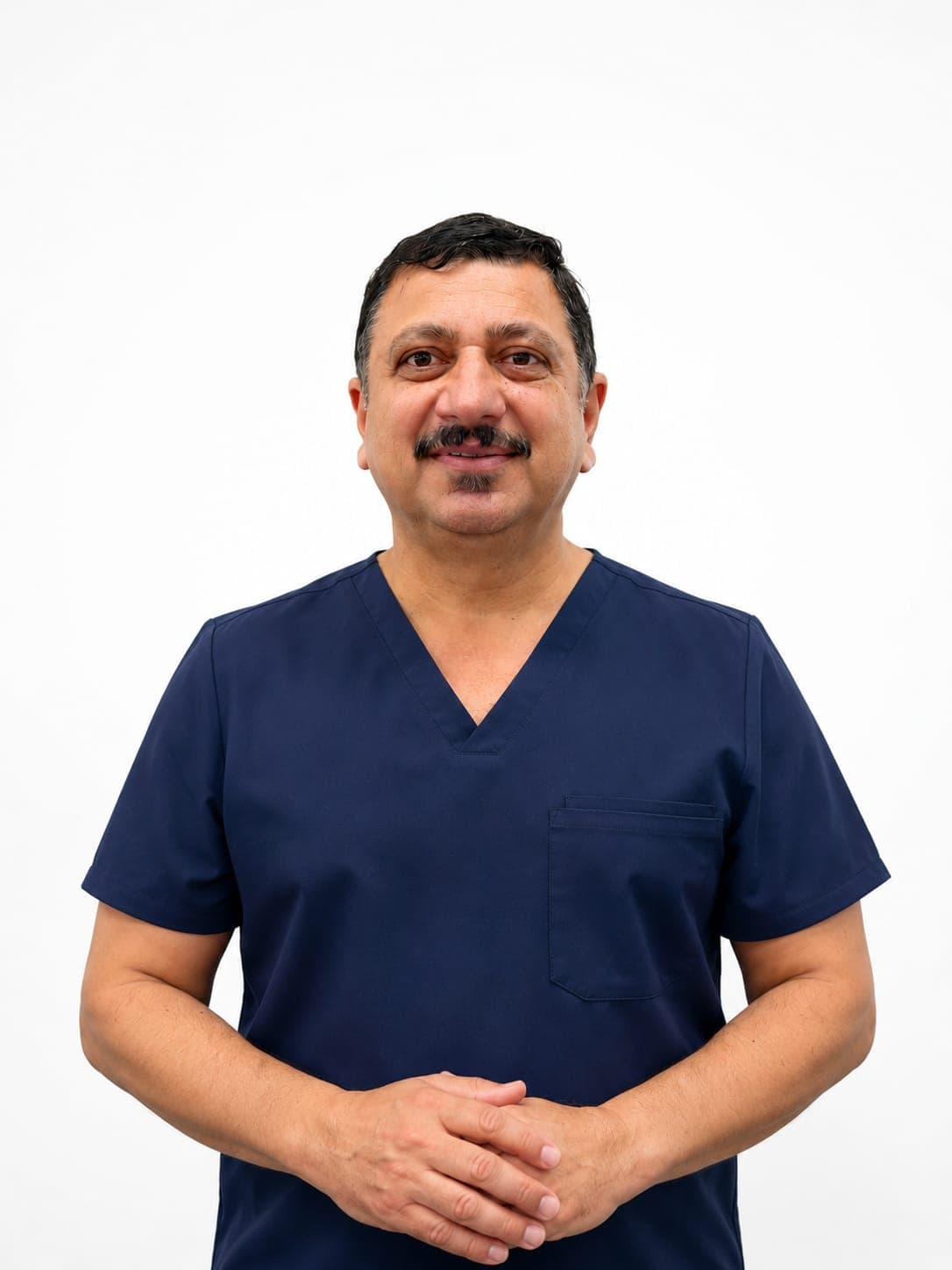
Rajesh Verma
Registered Massage Therapist — RMT
"Helping You Feel and Move Your Best"
Rajesh Verma is a Registered Massage Therapist passionate about helping patients reduce pain, improve mobility, and achieve optimal wellness through personalized treatment. At Port Credit Physio & Rehab, Rajesh provides deep tissue massage, relaxation massage, cupping therapy, headache relief treatment, sports recovery massage, and wellness-focused care. His approach combines hands-on therapeutic technique with an individualized treatment plan for each patient, focused on addressing the root cause of pain and muscle dysfunction, not just the symptoms. Whether you're recovering from an injury, managing chronic pain, dealing with stress-related tension, or looking to enhance athletic recovery, Rajesh is committed to helping you feel and move your best.
Registered and in good standing with the College of Massage Therapists of Ontario (CMTO).
Areas of clinical interest:
- Deep tissue massage for chronic muscle tension
- Relaxation massage for stress relief
- Cupping therapy for pain and inflammation
- Head, neck & scalp massage for headache relief
- Sports recovery massage for athletes
- Myofascial release for restricted movement
- Stress reduction & wellness care
"I am committed to helping you feel and move your best through personalized, hands-on care."
Book with RajeshMassage Therapy (RMT) FAQs
Do I need a doctor's referral to book a massage?
No referral is required to book with our RMTs. However, check with your insurance provider to confirm what's needed for reimbursement.
How often should I get a massage?
It depends on your goals. Many patients start with weekly or biweekly sessions to address a specific issue, then move to monthly visits for maintenance.
Can massage therapy help with chronic pain?
Yes. Techniques like deep tissue work, trigger point release, and myofascial release are commonly used to manage chronic tension, postural pain, and ongoing discomfort.
What should I wear to my appointment?
Comfortable clothing is fine. Draping is used throughout your session, and your therapist will always work within your comfort level.
Do you direct bill insurance?
Yes — we direct bill to all major insurance providers, including WSIB, so you can focus on your treatment rather than paperwork.
Related Services
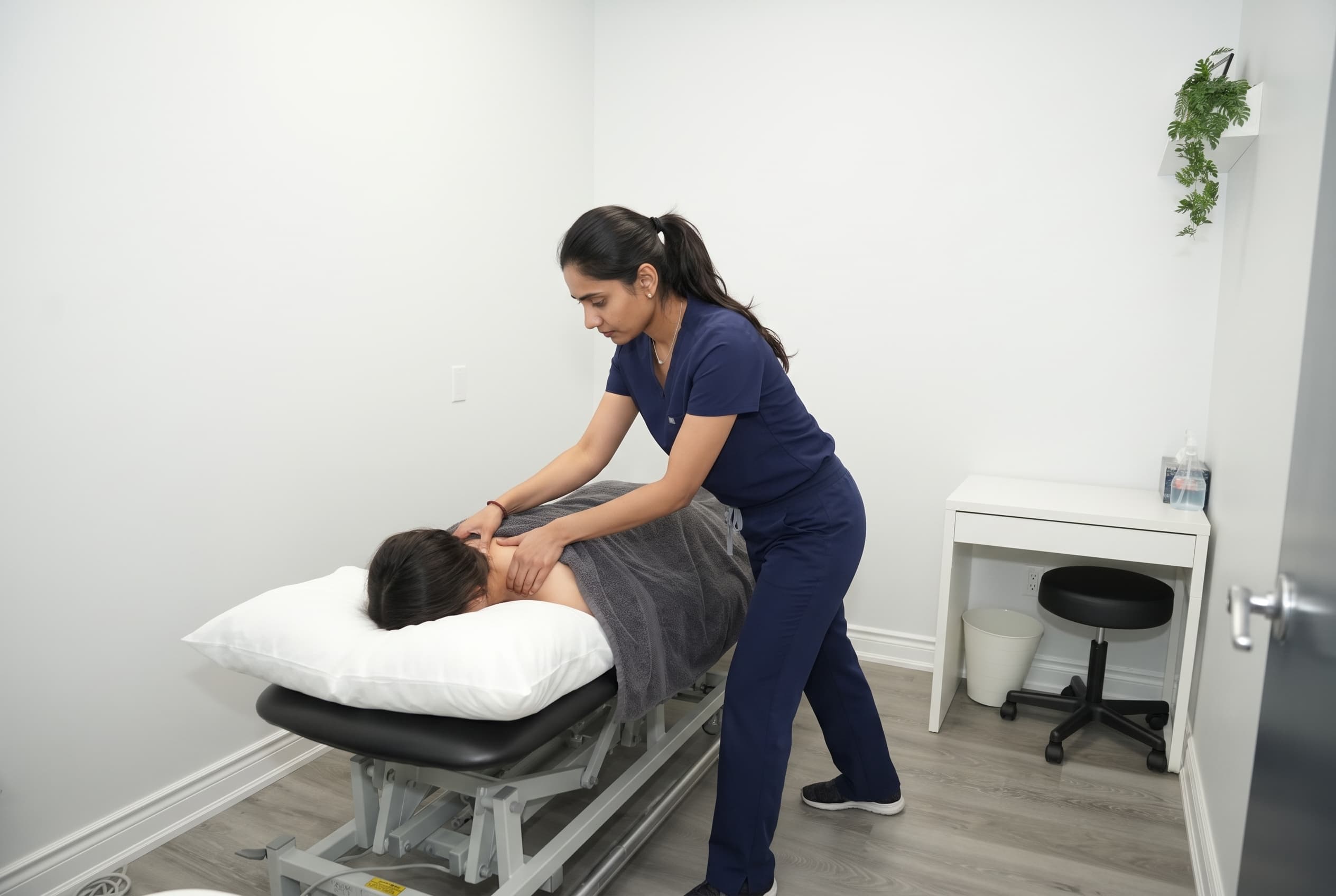
Myofascial Release Therapy
Myofascial release therapy for chronic pain, muscle tightness, fibromyalgia, and restricted movement, by registered physiotherapists.
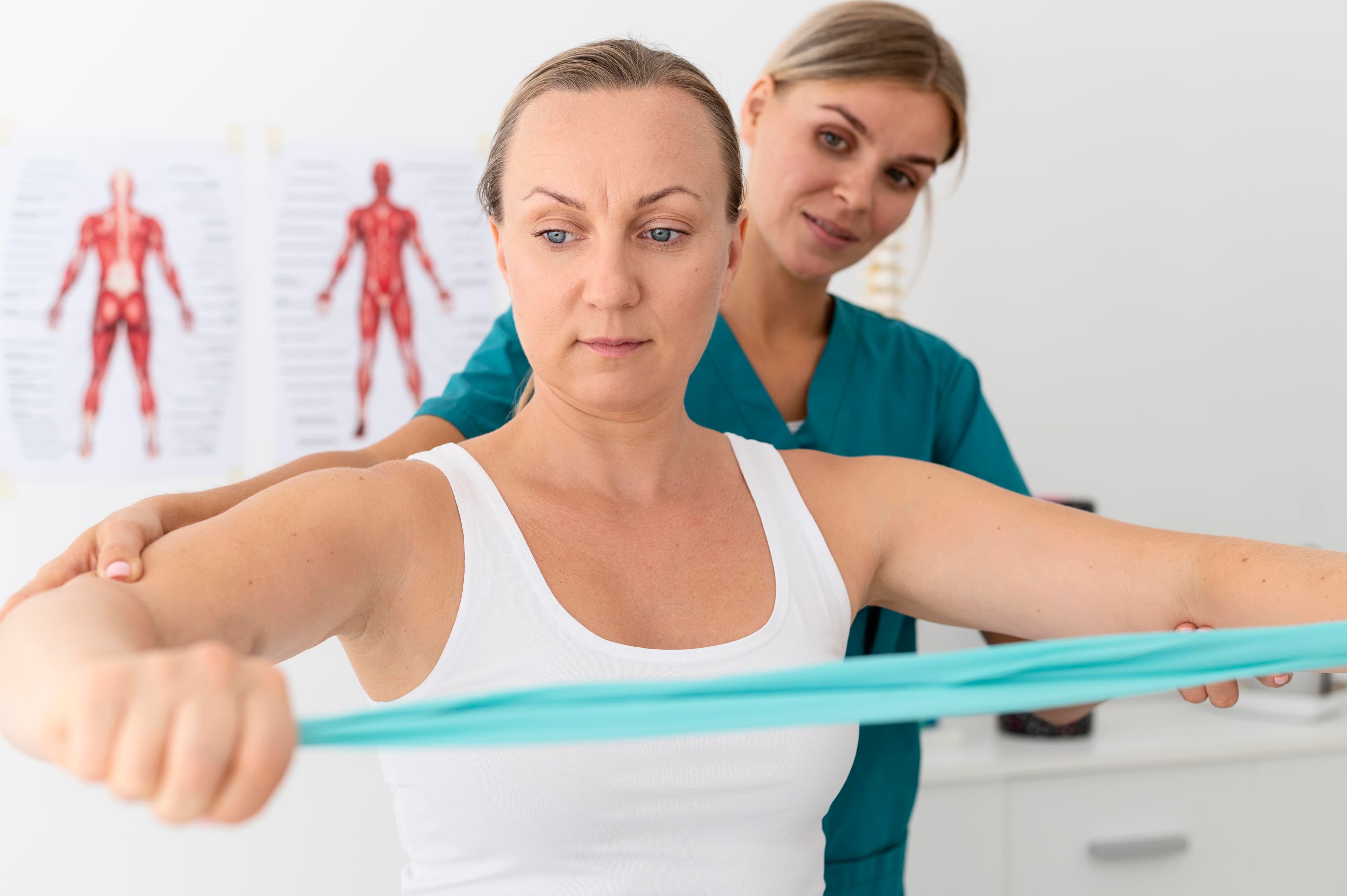
Physiotherapy
Evidence-based physiotherapy in Port Credit, Mississauga. McKenzie Method® & Graston Technique® for back pain, sciatica, and sports injuries.
Ready to Get Started?
Book your appointment today and take the first step towards recovery.