Ease Tension at Its Source
Myofascial Release Therapy
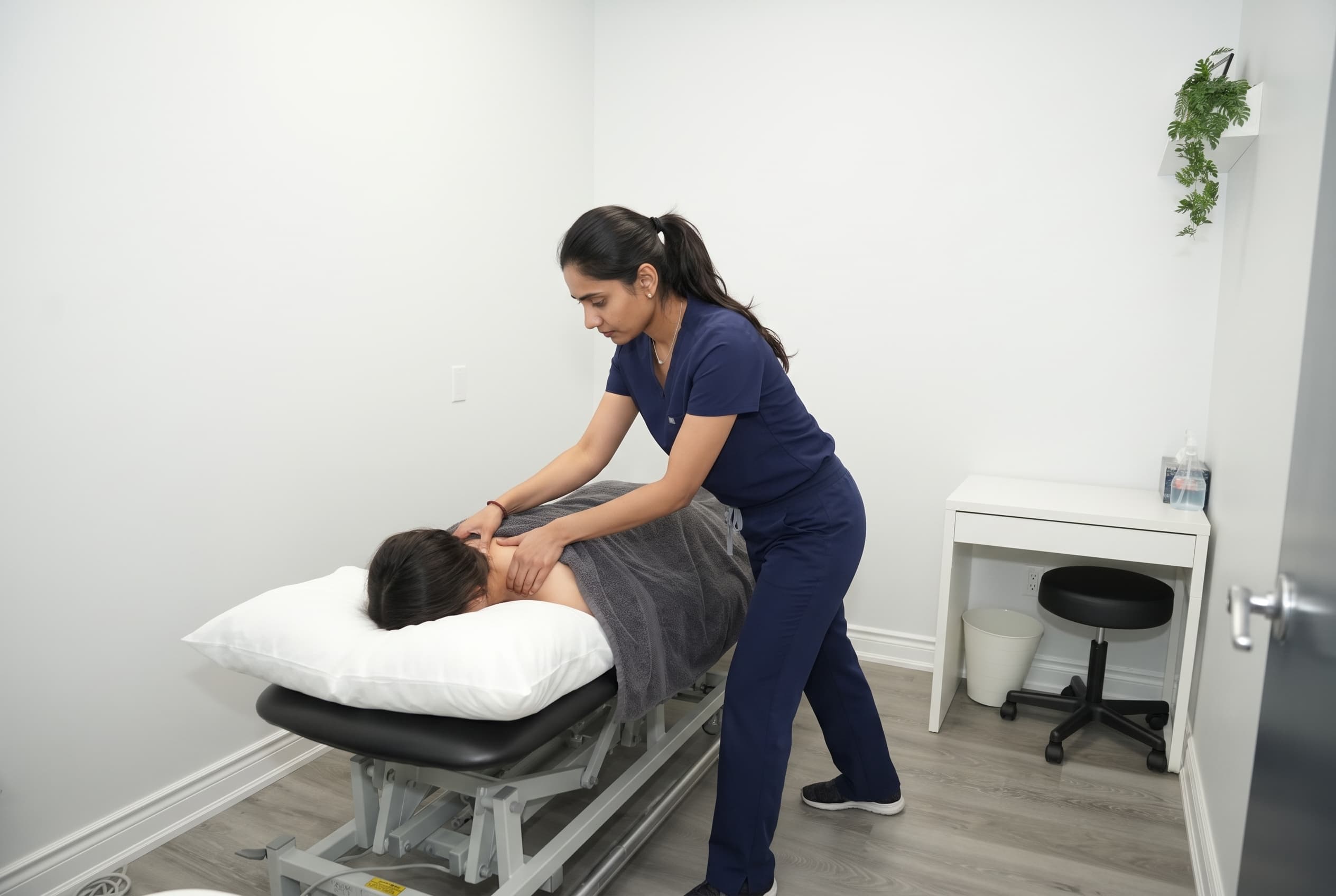
Some pain doesn't come from a single muscle or joint. It comes from tight, restricted tissue that pulls on your body like a snag in a sweater. If you're dealing with persistent stiffness, chronic aches, or pain that seems to move around, the problem may involve your fascia, the thin, strong web of connective tissue that surrounds and connects every muscle, bone, nerve, and organ in your body. At Port Credit Physio & Rehab, our physiotherapists use myofascial release to ease tension in the fascia and surrounding muscles, helping you move more freely and feel less pain. Myofascial release is a hands-on manual therapy technique that uses gentle, sustained pressure and stretch to release tension in the fascia and underlying muscles. Unlike faster or deeper techniques, it works slowly: your physiotherapist applies light-to-moderate pressure to a restricted area and holds it, often for 90 seconds to several minutes, allowing the tissue to gradually soften and lengthen. Like all our treatments, it's part of a whole-person approach that combines hands-on care with exercise for lasting results.
How Myofascial Release Works
Myofascial release is thought to:
Reduce tension in tight fascia and muscles
Improve tissue mobility, helping muscles glide and stretch more easily
Decrease pain by calming sensitive tissues and the nervous system
Improve blood flow to the treated area
Restore range of motion and more natural movement
Research on myofascial release is still developing, but studies suggest it may help reduce pain and improve function for some conditions, particularly when combined with exercise.
Benefits of Myofascial Release
Gentle and well tolerated
Suitable for sensitive patients and chronic pain.
Reduces muscle and fascial tension
Improves flexibility and range of motion.
Eases widespread pain
Can help with pain that's hard to pinpoint to one spot.
Non-invasive and drug-free
Promotes relaxation alongside physical relief.
Myofascial Release vs. Other Soft Tissue Techniques
| Myofascial Release | Active Soft Tissue Release | Instrument-Assisted (Graston®) | |
|---|---|---|---|
| Pressure | Gentle to moderate, sustained | Firm, targeted | Firm, gliding |
| Speed | Slow; holds for minutes | Moderate, with movement | Moderate strokes |
| Your role | Relaxed | You actively move | Relaxed |
| Best for | Widespread tightness, chronic pain, sensitive patients | Specific muscle restrictions | Scar tissue and tendon problems |
Conditions Myofascial Release Can Help With
Chronic Back and Neck Pain
Tension and stiffness from posture, desk work, or long-standing pain.
Fibromyalgia
Gentle, sustained techniques may help ease widespread muscle pain and tenderness.
Myofascial Pain and Trigger Points
Tight, tender knots in muscles that can refer pain to other areas.
Headaches
Tension-type and neck-related headaches.
Shoulder and Hip Tightness
Restricted movement and stiffness, including from overuse.
Plantar Fasciitis
Tight fascia on the sole of the foot and the calf. Learn more about plantar fasciitis.
Post-Surgical Tightness and Scar Tissue
Once incisions are fully healed, with your surgeon's clearance — see our pre- and post-surgical physiotherapy.
Sports-Related Muscle Tightness
Restricted movement that affects training and performance.
What to Expect
You'll lie comfortably on a treatment table while your physiotherapist applies gentle, sustained pressure, usually directly on the skin without oils or lotions, so the hands can grip and stretch the tissue
You may feel a slow stretching or softening sensation, and treatment should feel comfortable throughout
Most people feel looser and more relaxed afterwards; mild soreness for a day or so is possible
Your physiotherapist can also teach you self-myofascial release techniques, such as foam rolling, to manage tightness between sessions
Who Shouldn't Have Myofascial Release?
Treatment may need to be avoided or modified if you have:
- Open wounds, burns, or skin infections in the area
- A recent fracture or acute injury
- A known or suspected blood clot (DVT)
- Cancer in the treatment area
- A bleeding disorder or take blood-thinning medication
- Fragile skin or severe osteoporosis
Why Choose Port Credit Physio & Rehab
Open 7 days a week, weekdays 10 AM–8 PM, Saturdays 10 AM–4 PM, and Sundays 10 AM–2 PM
No referral needed — book directly with a registered physiotherapist
Direct billing to most major insurers, so you often won't pay out of pocket
Conveniently located on Lakeshore Road East in Port Credit, serving Mineola, Lorne Park, Lakeview, Clarkson, and all of Mississauga
Physician referrals welcome, though never required
Myofascial Release Therapy FAQs
Does myofascial release hurt?
It shouldn't. Myofascial release uses gentle, sustained pressure, and most people find it comfortable and relaxing.
What's the difference between myofascial release and massage?
Massage generally uses gliding strokes with oil to relax muscles. Myofascial release is a targeted clinical technique using slow, sustained pressure without oil, aimed specifically at restricted fascia linked to your pain or movement problems.
Is myofascial release good for fibromyalgia?
Because it's gentle, myofascial release is often well tolerated by people with fibromyalgia, and some research suggests it may help reduce pain. It works best as part of a broader plan that includes gradual, comfortable exercise.
Is myofascial release covered by insurance?
When it's provided by a registered physiotherapist as part of your treatment, it's typically covered under the physiotherapy portion of your extended health benefits.
Do I need a referral?
No. You can book directly with Port Credit Physio & Rehab.
Related Services
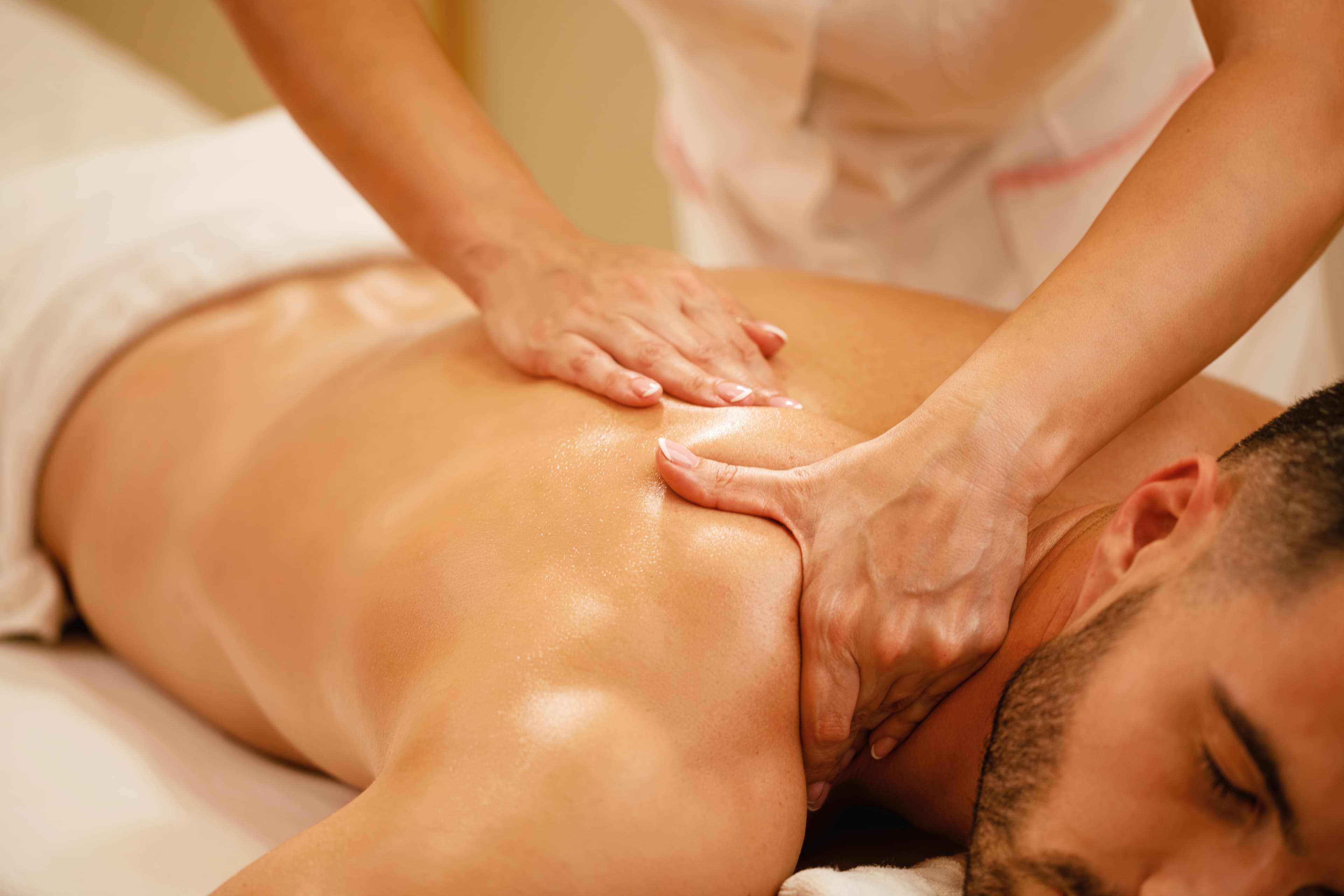
Massage Therapy (RMT)
Restore Balance, Ease Tension, Reclaim Your Life
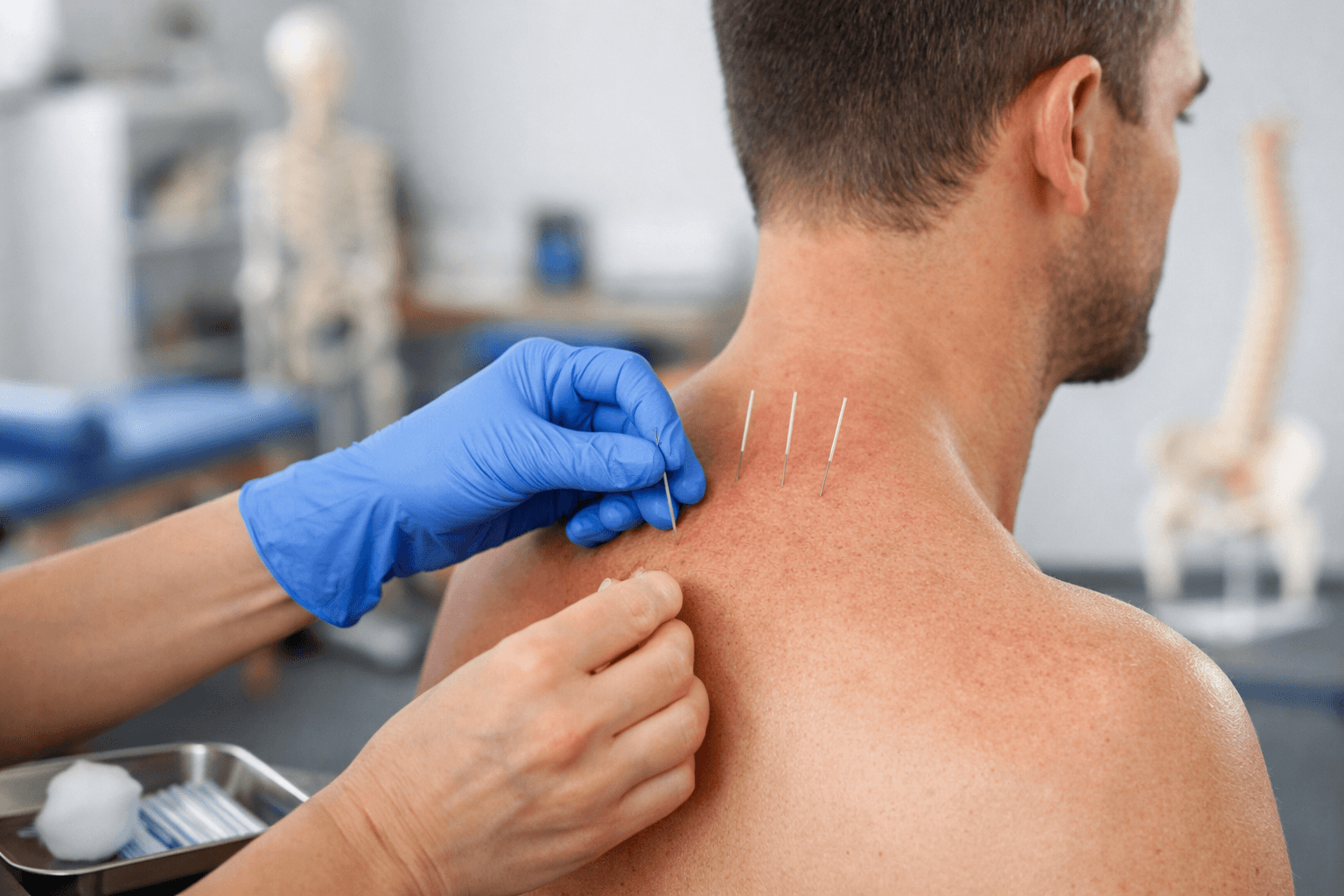
Acupuncture & Dry Needling
Acupuncture and dry needling by registered physiotherapists for muscle pain, back pain, and headaches.

Physiotherapy
Evidence-based physiotherapy in Port Credit, Mississauga. McKenzie Method® & Graston Technique® for back pain, sciatica, and sports injuries.
Ready to Get Started?
Book your appointment today and take the first step towards recovery.