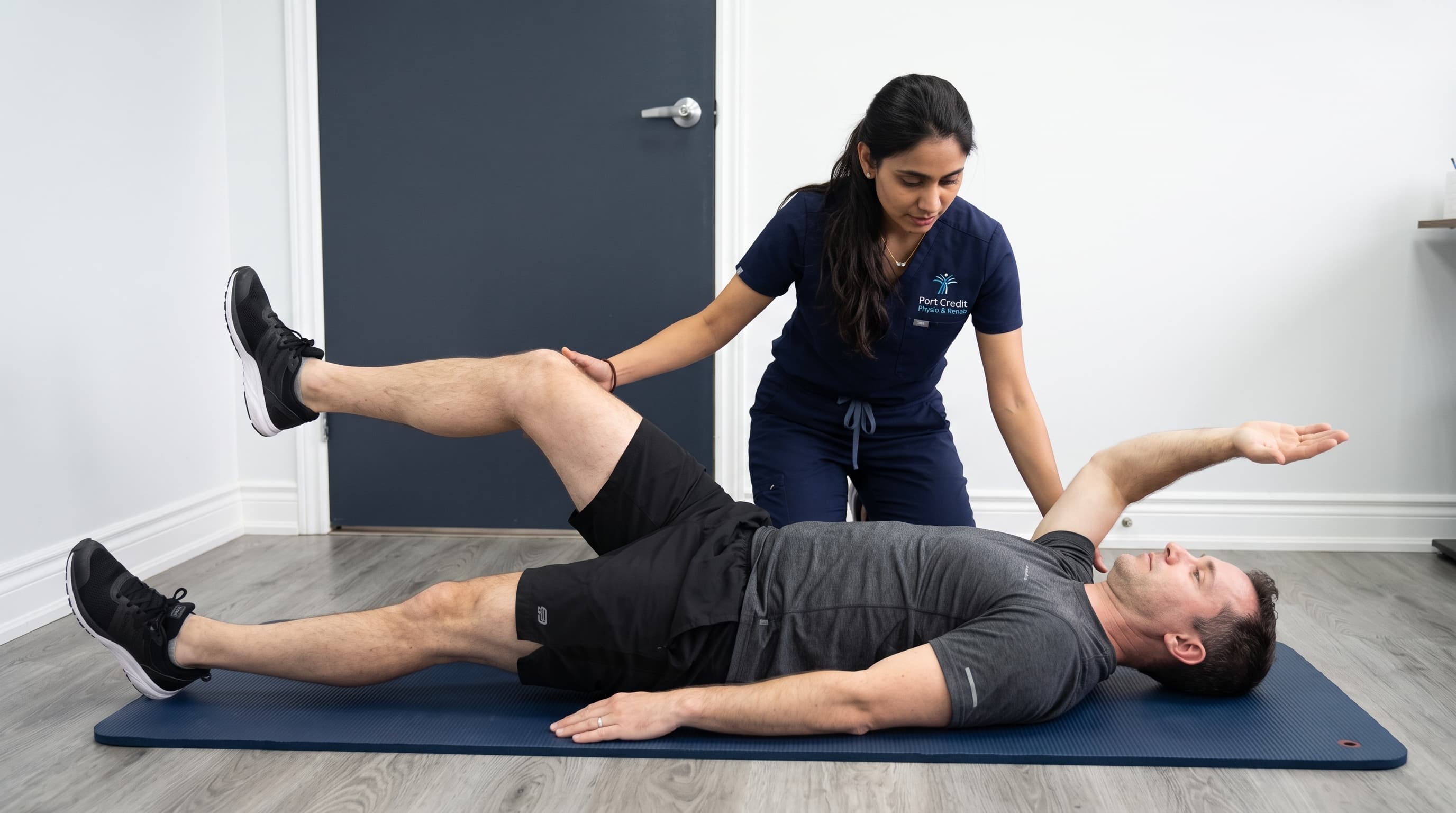
Settle the Pain, Rebuild the Strength
Lower Back Pain & Sciatica
Most lower back pain, including sciatica from a disc herniation, improves with the right physiotherapy, and very few people need surgery. At Port Credit Physio and Rehab, our Registered Physiotherapists, including a McKenzie-trained clinician, find what's driving your pain and give you clear strategies to ease it. Then we rebuild your strength in our in-clinic gym so your back stays strong for work, sport, and everyday life.
Back pain rarely waits for a convenient moment. It can strike when you bend to tie your shoes, lift a laundry basket, or stand up after a long drive on the QEW. Suddenly, sitting at your desk, getting out of bed, or picking up your child becomes something you have to plan for.
Back pain is one of the most common reasons people visit a physiotherapist. The good news is that most episodes settle well with the right guidance, and there's a lot you can do to speed recovery and prevent the next flare-up.
Common Causes of Lower Back Pain We Treat
Muscle Strains and Ligament Sprains
The most common cause of sudden back pain. A heavy lift, an awkward twist, or doing too much too soon can strain the muscles and ligaments of the lower back. The pain can be intense and cause spasm, but it usually improves significantly within a few weeks.
Disc Herniation and Sciatica
The discs between your vertebrae have a tough outer ring and a softer centre. A disc herniation happens when part of that centre pushes outward and irritates a nearby nerve root. This can cause sciatica: pain, tingling, or numbness travelling down the buttock and leg, sometimes below the knee. Sciatica sounds alarming, but most cases improve within 6 to 12 weeks without surgery. The body can even reabsorb herniated disc material over time. Our McKenzie-trained physiotherapist, Simoni Bhagat, is especially experienced in treating disc-related back and leg pain.
Piriformis Syndrome
The piriformis is a deep muscle in the buttock that sits close to the sciatic nerve. When it becomes tight or irritated, it can cause buttock pain and symptoms that mimic sciatica, often worse with sitting.
Spinal Stenosis
A narrowing of the spaces around the spinal nerves, usually from age-related changes. It often causes leg pain or heaviness when walking or standing that eases when you sit or lean forward, like on a shopping cart. Physiotherapy helps improve walking tolerance and strength.
Osteoarthritis and Facet Joint Pain
Age-related changes in the discs and small spinal joints are extremely common and often painless. When they do cause symptoms, it's usually stiffness and aching that's worse in the morning or after staying in one position. Staying active and strong is one of the best treatments.
Scoliosis and Kyphosis
Scoliosis is a sideways curve of the spine, while kyphosis is an increased forward rounding of the upper back. Both can lead to stiffness and muscle imbalances. Physiotherapy focuses on strength, mobility, and posture strategies to manage symptoms.
Sacroiliac (SI) Joint Pain
The SI joints connect your spine to your pelvis. Irritation here causes pain low in the back or buttock, usually on one side, and is common during pregnancy and after falls.
Pregnancy-Related Back and Pelvic Pain
A growing baby shifts your centre of gravity and increases load on the back and pelvis. Pregnancy hormones also relax ligaments, which can cause pelvic pain and a feeling of instability. Targeted exercise and support strategies can make a big difference.
Inflammatory Conditions
Conditions like ankylosing spondylitis cause back pain and stiffness that are typically worse in the morning and improve with movement. They're more common in younger adults and need medical management alongside physiotherapy.
Vertebral Fractures
Fractures can happen after major trauma, or after minor falls in people with osteoporosis. Once your doctor confirms stability, physiotherapy helps rebuild strength and confidence safely.
Low Activity and Deconditioning
Long hours of sitting and little exercise leave the back and hip muscles weaker and stiffer, making them more vulnerable to strain. Gradually building activity is both a treatment and a prevention strategy.
What Are the Most Common Signs of Lower Back Pain?
Sharp or aching pain in the lower back
Stiffness, especially first thing in the morning or after sitting
Difficulty bending, twisting, sitting, or standing up straight
Pain spreading into the buttock or down the back of the leg
Shooting, burning, or electric pain in the leg (sciatica)
Pins and needles, numbness, or a heavy feeling in the leg
Muscle spasms that make you "lock up"
Why Is the Lower Back So Commonly Injured?
Your lower back carries most of your upper body's weight while also bending, twisting, and absorbing force every time you walk, lift, or sit. It's built for this. The five lumbar vertebrae are separated by shock-absorbing discs and supported by strong muscles and ligaments.
Problems usually appear when load outpaces what your back is prepared for: a heavy lift after weeks of sitting, a sudden increase in activity, or long hours in one position. Stress, poor sleep, and low activity levels can also make the back more sensitive to pain. Serious damage is rare, which is why most back pain responds so well to movement-based treatment.
How Physiotherapy Helps Lower Back Pain and Sciatica
A thorough assessment
Your Registered Physiotherapist will ask how your pain started, what eases or worsens it, and test your movement, strength, reflexes, and nerve function. We also screen for signs that need medical attention. Most people don't need an X-ray or MRI to start treatment.
The McKenzie Method (Mechanical Diagnosis and Therapy)
Our physiotherapist, Simoni Bhagat, is trained in the McKenzie Method (Parts A & B), one of the most widely used assessment systems for back pain and sciatica. It uses specific repeated movements and positions to find your "directional preference," the direction of movement that eases your pain. A key sign of progress is centralization, when leg pain moves out of the leg and back toward the spine. You then learn simple exercises to manage your own symptoms at home.
Hands-on treatment
Manual therapy, including joint mobilizations and soft tissue work, helps reduce pain and muscle guarding so you can move more freely.
Instrument-assisted soft tissue release
We use specially designed tools to treat tight, overworked muscles and connective tissue in the back, hips, and legs, making it easier to progress your exercises.
Kinesio taping
Elastic therapeutic tape can provide support and gentle feedback to help you move with more confidence during a painful phase.
Core and strength training in our in-clinic gym
Staying active and building strength is one of the best-supported treatments for back pain. Your physiotherapist guides you through progressive training for your trunk, hip, and leg muscles, covering proper lifting technique along the way.
Education and return to activity
We'll explain what's happening in your back, how to modify work and activity without stopping altogether, and how to prevent recurrences. The final stage prepares you for your job, sport, or gym routine.
Acupuncture & dry needling available alongside physiotherapy for persistent muscle tension
Many patients also benefit from Registered Massage Therapy to ease muscle tension during recovery
When to Seek Urgent Care
Go to the emergency department immediately if back pain comes with:
- Numbness in the groin, buttocks, or inner thighs ("saddle" area)
- New difficulty controlling your bladder or bowels, or being unable to urinate
- Weakness in both legs, or leg weakness that's getting worse quickly
See your doctor promptly if you have:
- Back pain with fever, unexplained weight loss, or a history of cancer
- Constant pain that doesn't change with position or rest
- Back pain after a significant fall or accident
Common Questions About Lower Back Pain & Sciatica Treatment
When should I see a doctor for lower back pain?
Most people can see a physiotherapist directly without a doctor's referral. See a doctor if you have warning signs like fever, unexplained weight loss, a history of cancer, or pain after a significant fall.
What is acute low back pain?
Acute low back pain is pain that has lasted less than six weeks. It often starts suddenly after lifting, bending, or twisting. Most acute episodes improve significantly within a few weeks, especially if you stay gently active.
What causes lower back pain?
The most common causes are muscle strains and ligament sprains. Other causes include disc herniations and sciatica, arthritis, spinal stenosis, SI joint pain, pregnancy, and, rarely, fractures or inflammatory conditions.
What treatments are available for lower back pain?
Effective treatments include education, staying active, hands-on manual therapy, the McKenzie Method, and progressive strength training. Some patients also benefit from instrument-assisted soft tissue release, kinesio taping, or massage therapy.
How long does lower back pain usually last?
Most acute episodes improve a lot within two to six weeks. Sciatica from a disc herniation often takes 6 to 12 weeks. Pain lasting more than three months is considered chronic, and it still responds well to active treatment.
What is the McKenzie Method?
The McKenzie Method, also called Mechanical Diagnosis and Therapy (MDT), is an assessment and treatment system for back and neck pain. A trained clinician uses repeated movements to find the direction that eases your pain, then teaches you exercises to manage it yourself.
Should I rest in bed with back pain?
No. Bed rest usually slows recovery. Gentle movement, like short walks, and staying as active as your pain allows lead to faster improvement.
Do I need an MRI for back pain or sciatica?
Usually not. Most back pain can be assessed and treated without imaging. MRIs are generally reserved for serious warning signs, severe nerve symptoms, or when surgery is being considered.
Is heat or ice better for back pain?
Either can help ease pain. Many people find heat more soothing for stiff, tight muscles. Use whichever feels better for 15 to 20 minutes at a time.
Is sitting bad for my back?
Sitting isn't harmful on its own, but staying in any one position for too long can make your back stiff and sore. Change positions often and take short movement breaks every 30 to 45 minutes.
Related Services

Physiotherapy
Evidence-based physiotherapy in Port Credit, Mississauga. McKenzie Method® & Graston Technique® for back pain, sciatica, and sports injuries.
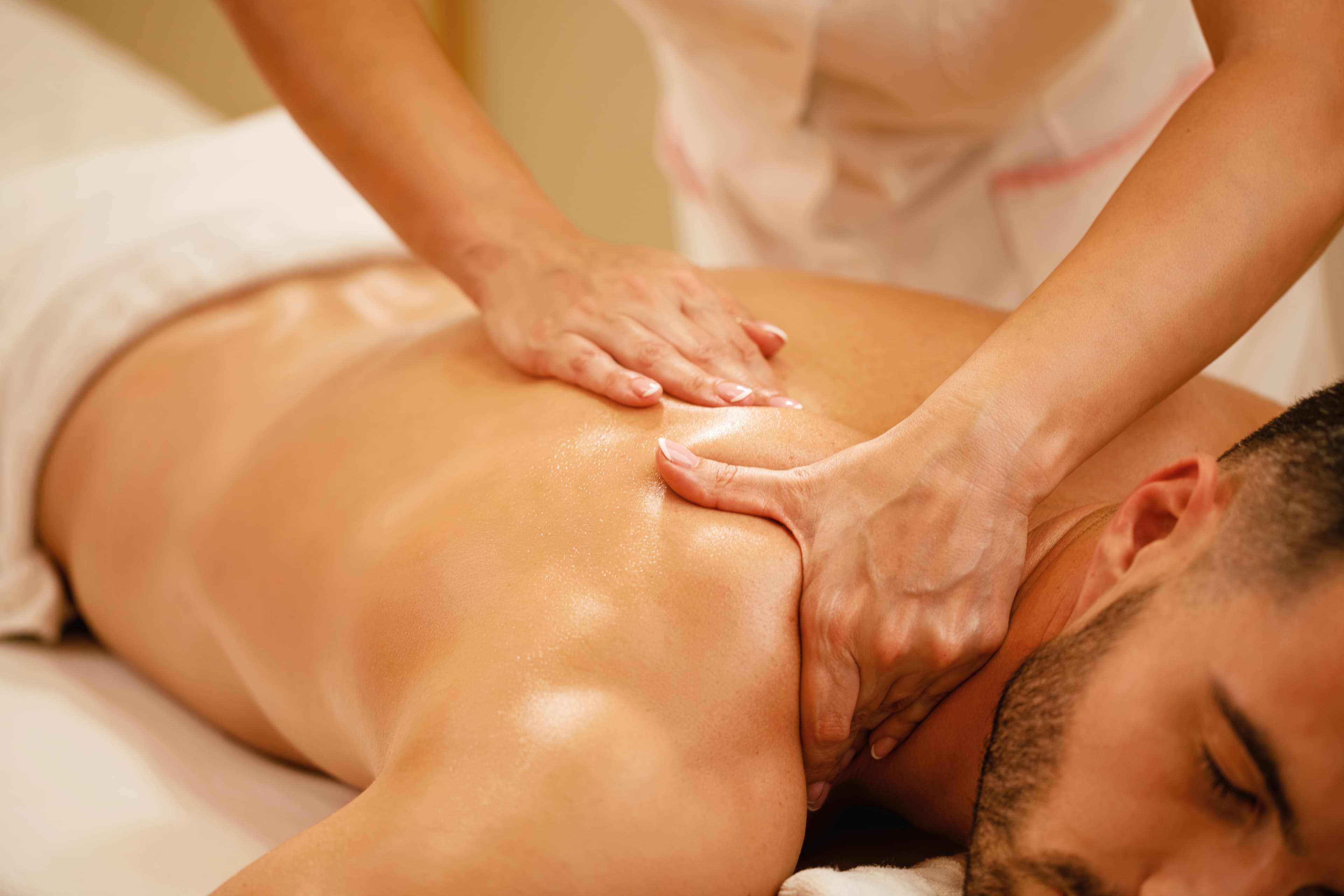
Massage Therapy (RMT)
Restore Balance, Ease Tension, Reclaim Your Life
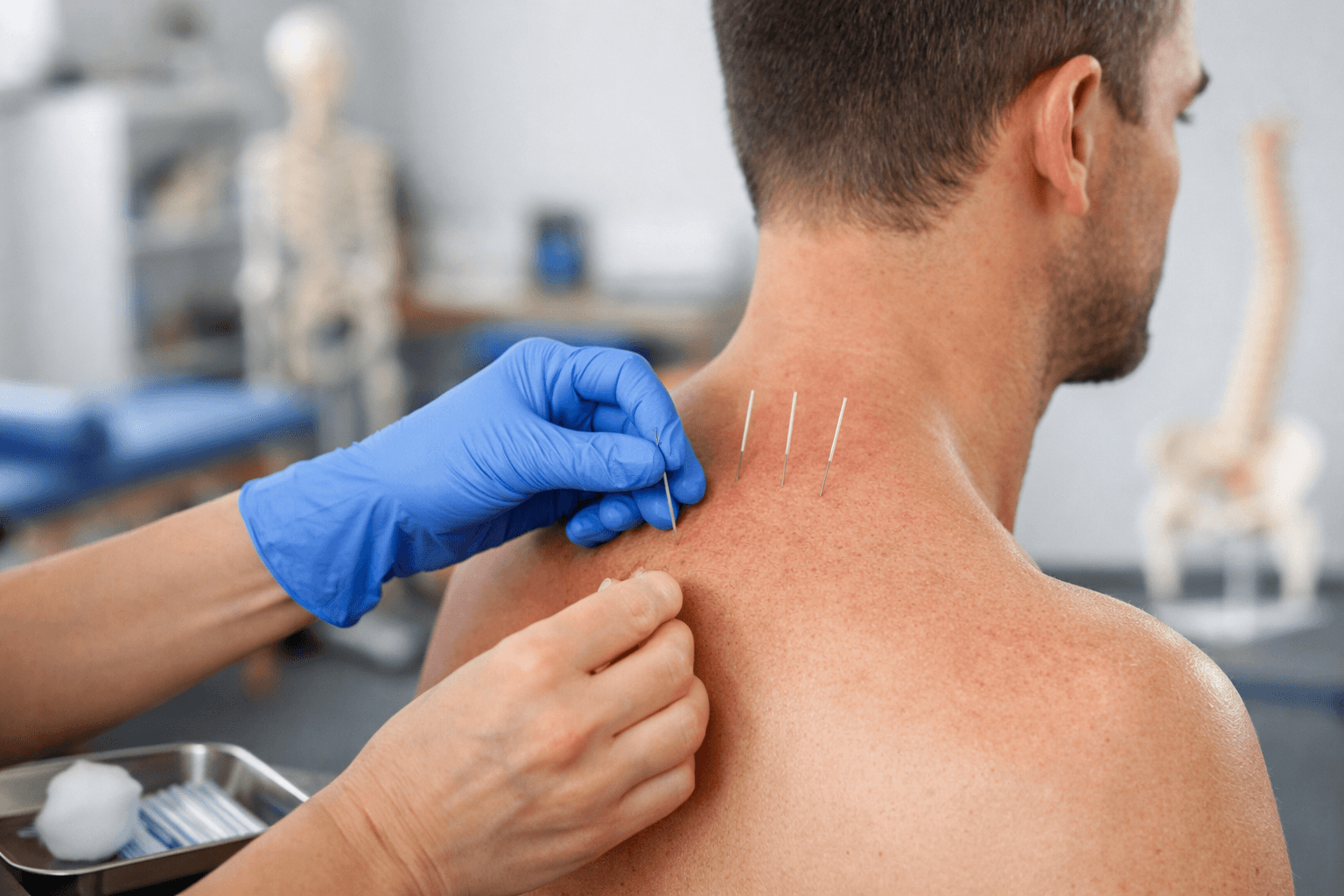
Acupuncture & Dry Needling
Acupuncture and dry needling by registered physiotherapists for muscle pain, back pain, and headaches.
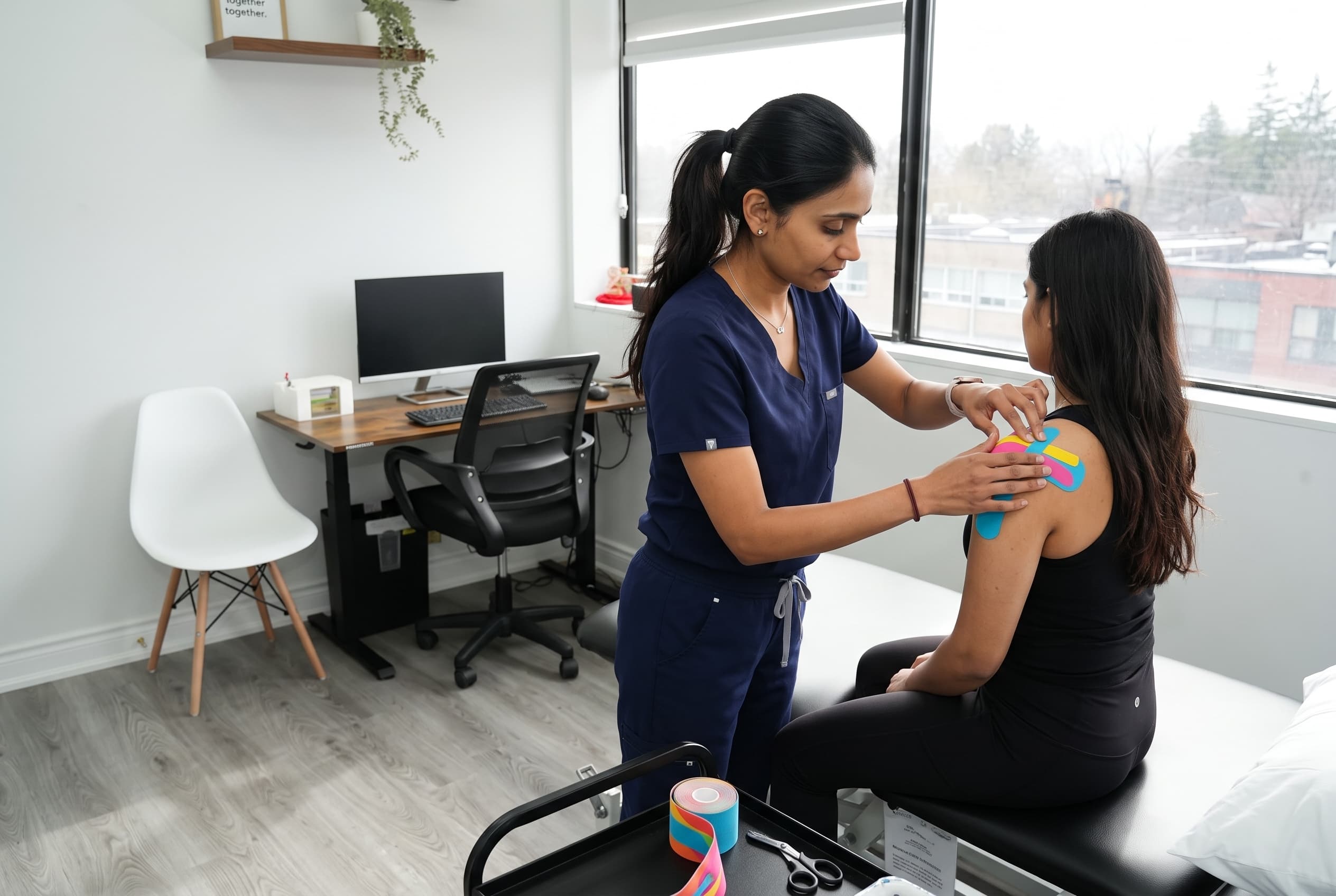
Kinesio Taping
Kinesiology taping to support muscles and joints and ease pain while you stay active, as part of a complete physio plan.
Related Conditions
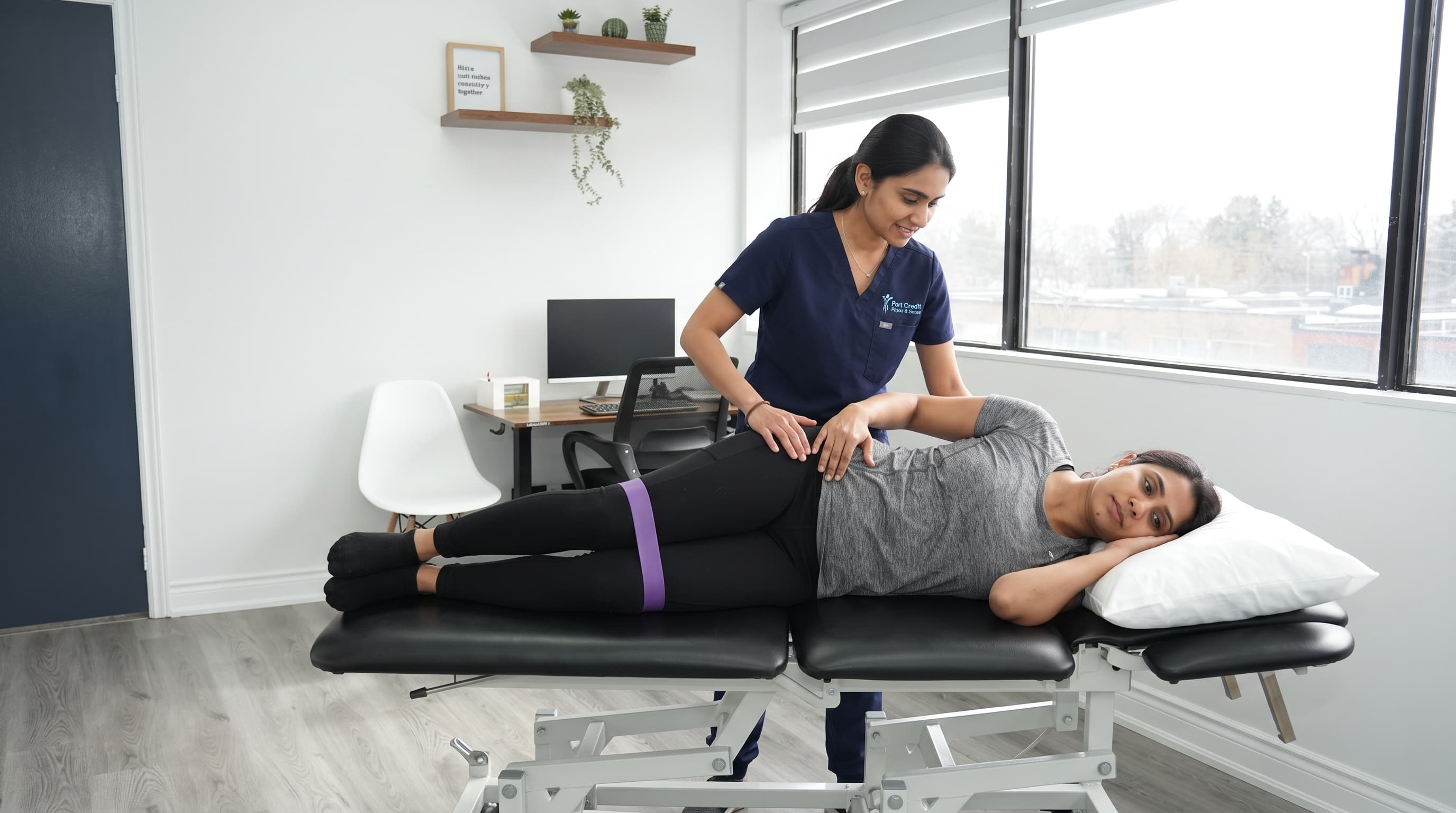
Hip Pain
Evidence-based hip pain treatment in Port Credit, Mississauga for bursitis, tendinopathy, arthritis, hip impingement and hip replacement rehab. Free 15-minute consultation.
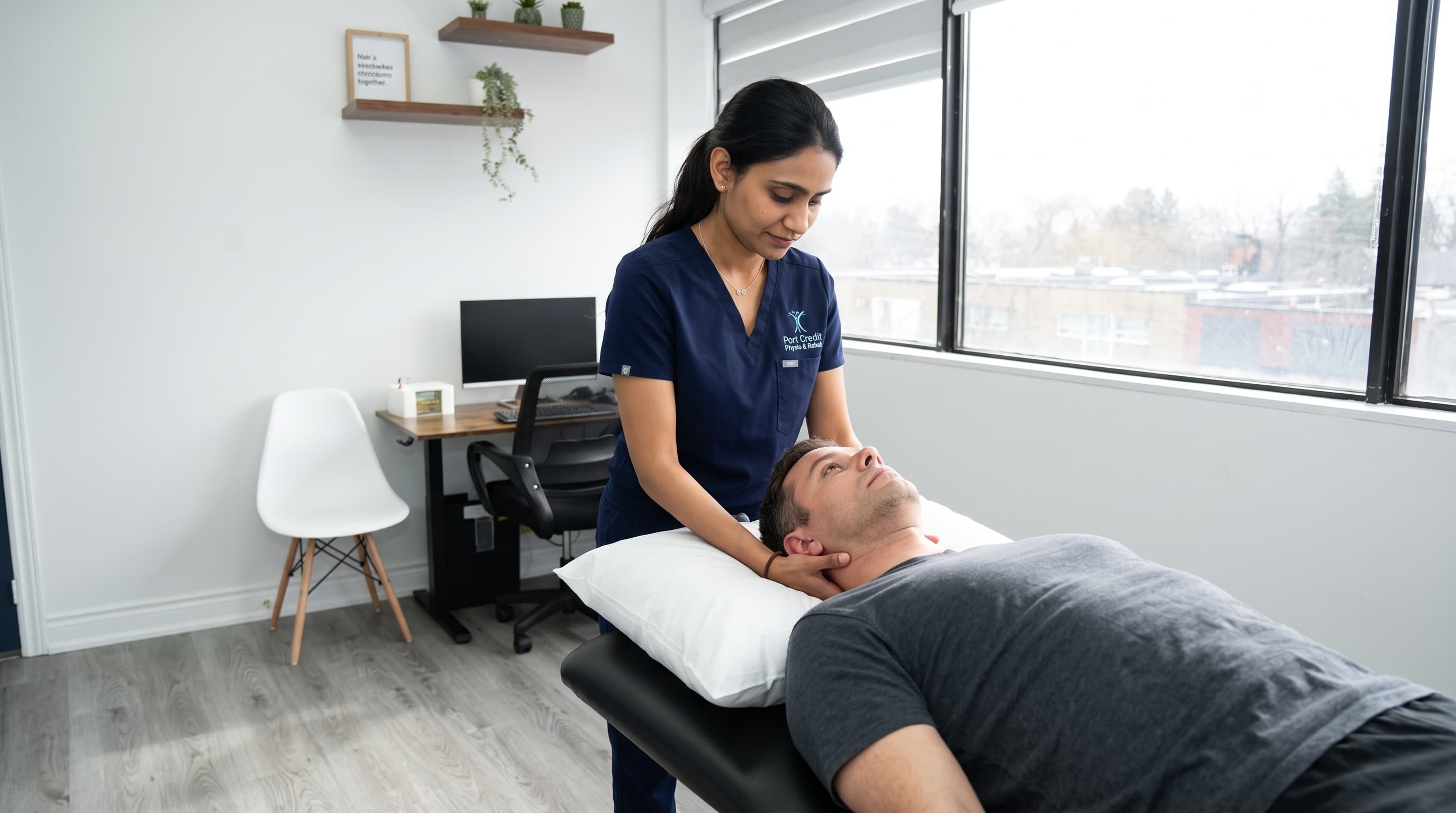
Neck Pain
Neck pain physiotherapy in Port Credit, Mississauga for whiplash, disc issues, cervical radiculopathy & tension headaches. Book today.
Book Lower Back Pain Physiotherapy in Port Credit
Don't let back pain decide how you spend your days. No doctor's referral is needed, and we offer direct billing to most major insurers.