Calm It Down, Then Rebuild Strength
Shoulder Pain & Rotator Cuff Tears
Most shoulder pain, including many rotator cuff tears, improves with the right physiotherapy, and a large number of people never need surgery. At Port Credit Physio and Rehab, our Registered Physiotherapists assess exactly which structure is causing your pain, then build a plan to calm it down and rebuild strength. Whether you're reaching overhead, lifting at the gym, or just trying to sleep, we'll help you get your shoulder back.
"I think I tore something in my shoulder" is one of the most common things we hear in our Mississauga clinic. Shoulder pain affects everyone from young athletes to retirees. It can make simple tasks like dressing, driving, or lifting a grocery bag frustrating and painful.
Common Causes of Shoulder Pain We Treat
Rotator Cuff Tendinopathy (Tendonitis)
The rotator cuff is a group of four muscles and tendons that keep the ball of your shoulder centred in its socket. When those tendons take on more load than they're ready for, from repetitive overhead work, a sudden jump in gym training, or years of wear, they become irritated and painful. This is the most common cause of shoulder pain we see, and it usually responds very well to a progressive strengthening program.
Rotator Cuff Tears
Rotator cuff tears can be partial or full-thickness. Some happen suddenly from a fall or heavy lift, while others develop gradually with age. Many tears, especially age-related ones, can be managed successfully with physiotherapy.
Frozen Shoulder (Adhesive Capsulitis)
Frozen shoulder causes the joint capsule to become inflamed and tight, leading to severe stiffness and pain. It's most common between ages 40 and 60 and in people with diabetes or thyroid conditions. It often moves through stages over one to three years, and physiotherapy helps manage pain and restore motion. Learn more in our frozen shoulder guide.
Shoulder Bursitis
A bursa is a small fluid-filled sac that reduces friction between tissues. The bursa under the top of your shoulder can become irritated alongside rotator cuff problems, often from repetitive overhead movement. Treatment typically focuses on the underlying tendon and movement issues rather than the bursa alone.
Shoulder Impingement
"Impingement" describes pain when lifting the arm, often between shoulder and head height. Today, it's usually understood as a rotator cuff and load problem rather than bones "pinching" a tendon. Strengthening and gradual loading are usually the most effective treatment.
Labral Tears
The labrum is a ring of cartilage that deepens the shoulder socket. Tears often happen with a fall, dislocation, or repetitive throwing, and can cause pain, clicking, catching, or instability. Many improve with targeted rehab, while some require surgical repair.
Shoulder Dislocations and Instability
A dislocation happens when the ball comes fully out of the socket, often from a fall on an outstretched arm or a sports collision. Physiotherapy rebuilds the muscle control that helps keep the joint secure and lowers the risk of it happening again.
Shoulder Fractures
Fractures of the upper arm bone (humerus) and collarbone (clavicle) usually result from falls or accidents. Once your doctor confirms the bone is healing, physiotherapy restores movement and strength.
Post-Surgical Shoulder Rehab
After rotator cuff repair, labral repair, or shoulder replacement, physiotherapy is essential to safely regain motion and strength. See our pre- and post-surgical physiotherapy page for details.
What Are the Most Common Signs of a Shoulder Injury?
Pain on the outside or front of the shoulder, especially when lifting your arm overhead
Pain lying on the affected side, or pain that wakes you at night
Stiffness or reduced range of motion
Weakness when lifting, reaching, or rotating the arm
A feeling that the shoulder is slipping, catching, or "popping out"
Swelling, bruising, or a visible bump or deformity after a fall or impact
Why Is the Shoulder So Easy to Injure?
The shoulder is the most mobile joint in your body. It's a shallow ball-and-socket joint, a bit like a golf ball sitting on a tee, held in place mostly by muscles, tendons, and ligaments rather than bone.
That design lets you throw, reach, and swim, but it relies heavily on soft tissues for stability. When those tissues are overloaded, weakened, or injured, pain and dysfunction follow. The rotator cuff does much of this stabilizing work, which is why it's involved in so many shoulder problems.
How Physiotherapy Helps Shoulder Pain and Rotator Cuff Tears
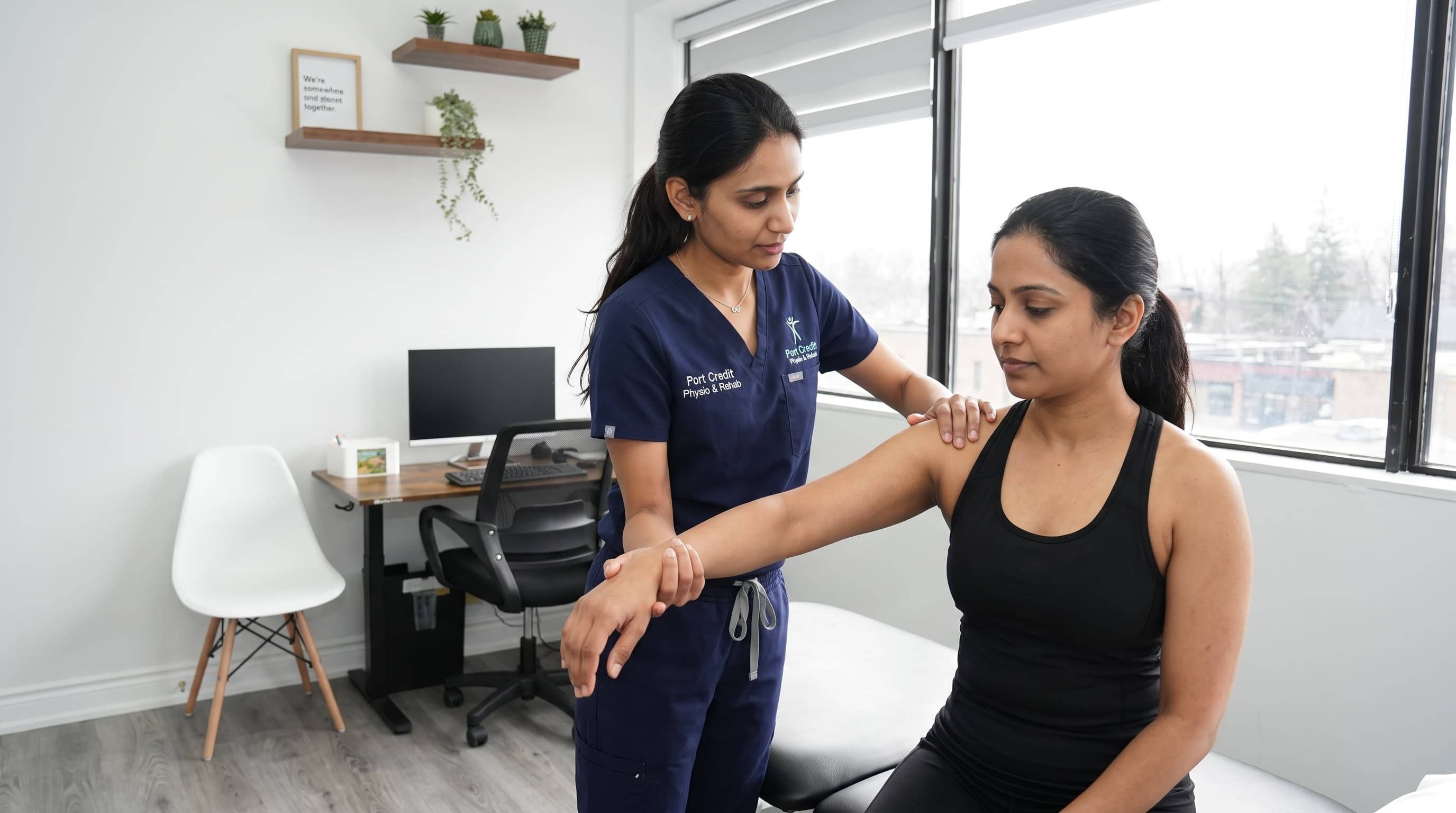
A thorough assessment
Your Registered Physiotherapist will ask how your pain started, test your movement and strength, and check your neck and upper back, since neck problems can refer pain into the shoulder. This tells us which structure is involved and what's driving it.
Pain relief and calming the shoulder
Early treatment may include hands-on manual therapy, activity changes, and pain-relieving strategies like acupuncture and dry needling or shockwave therapy where appropriate. We'll also show you how to sleep and work without flaring your shoulder.
Progressive strengthening
Exercise is the most effective long-term treatment for most shoulder pain. We gradually build strength in your rotator cuff and shoulder blade muscles so your shoulder can handle everyday and sporting demands again.
Return to activity
Whether your goal is lifting your grandchild, returning to tennis, or pressing overhead at the gym, the final stage prepares your shoulder for exactly that task.
Knowing when to refer
If your assessment suggests a complete tear, fracture, or other problem that needs imaging or a surgical opinion, we'll tell you and coordinate with your family doctor.
Many patients also benefit from Registered Massage Therapy for tight neck and upper back muscles that often develop alongside shoulder pain.
When to Seek Urgent Care
Call 911 or go to the emergency department if:
- Shoulder, jaw, or left arm pain comes with chest pressure, shortness of breath, sweating, or nausea, which can be signs of a heart attack
- Your shoulder looks deformed after a fall or impact
- Your shoulder is hot, red, and swollen and you have a fever
See your doctor promptly if:
- You suddenly can't lift your arm after an injury
- You have numbness or weakness spreading down the arm
- You have night pain with unexplained weight loss
Common Questions About Shoulder Pain & Rotator Cuff Tears Treatment
Who is most likely to get shoulder pain?
Anyone can develop shoulder pain, but it's most common in people over 40, people who do repetitive overhead work (painters, electricians, hairstylists), and athletes in throwing, swimming, and racquet sports. Rotator cuff problems become more common with age, while dislocations and labral tears are more common in younger, active people.
How are shoulder injuries treated?
Most shoulder injuries are treated with physiotherapy first: education, pain management, hands-on treatment, and a progressive strengthening program. Some people also benefit from a corticosteroid injection from their doctor to settle pain. Surgery is usually reserved for specific injuries or when rehab hasn't helped.
Will I need surgery for my shoulder pain?
Most people don't. Tendinopathy, bursitis, impingement, and many rotator cuff tears, particularly age-related ones, often respond well to physiotherapy. Surgery is more likely after a significant injury in a younger, active person, repeated dislocations, or when several months of good rehab hasn't helped.
What are the warning signs of a serious shoulder injury?
Get checked promptly if you can't lift your arm after a fall or injury, your shoulder looks deformed, you have significant weakness, or you have numbness or tingling down the arm. Shoulder pain with chest pressure or shortness of breath needs emergency care right away.
What are the risks of leaving a torn rotator cuff untreated?
Ignoring a tear can lead to ongoing pain, weakness, and a stiff shoulder as you avoid using it. Some tears slowly get larger over time, and large, long-standing tears can become harder to repair. A proper assessment helps you decide early whether rehab or a surgical opinion is the right path.
Why is my shoulder pain worse at night?
Lying on the painful side compresses irritated tissues, and lying on your back can let the arm drop into an uncomfortable position. Pain can also feel stronger at night because there are fewer distractions.
My shoulder pops when I rotate my arm. Is something wrong?
Painless clicking or popping is very common and usually harmless. It's worth getting assessed if the popping comes with pain, catching, weakness, or a feeling that the shoulder is slipping out, as this can point to a labral tear or instability.
Does sleeping on my side cause shoulder pain?
Side sleeping doesn't usually cause shoulder pain in a healthy shoulder. If your shoulder is already irritated, though, sleeping on that side can aggravate it. Sleeping on the other side while hugging a pillow, or on your back with a pillow under the sore arm, is often more comfortable.
Can lifting heavy at the gym cause long-term shoulder damage?
Strength training is generally good for your shoulders. Problems usually come from sudden jumps in weight or volume, poor recovery, or repeatedly pushing through pain. A physiotherapist can help you adjust your program so you keep training while your shoulder recovers.
Does stretching every day prevent shoulder pain?
Stretching can help with stiffness, but there's limited evidence that stretching alone prevents shoulder pain. Regular strengthening of the rotator cuff and shoulder blade muscles, plus gradual increases in training load, does a better job of keeping shoulders resilient.
Related Services

Physiotherapy
Evidence-based physiotherapy in Port Credit, Mississauga. McKenzie Method® & Graston Technique® for back pain, sciatica, and sports injuries.
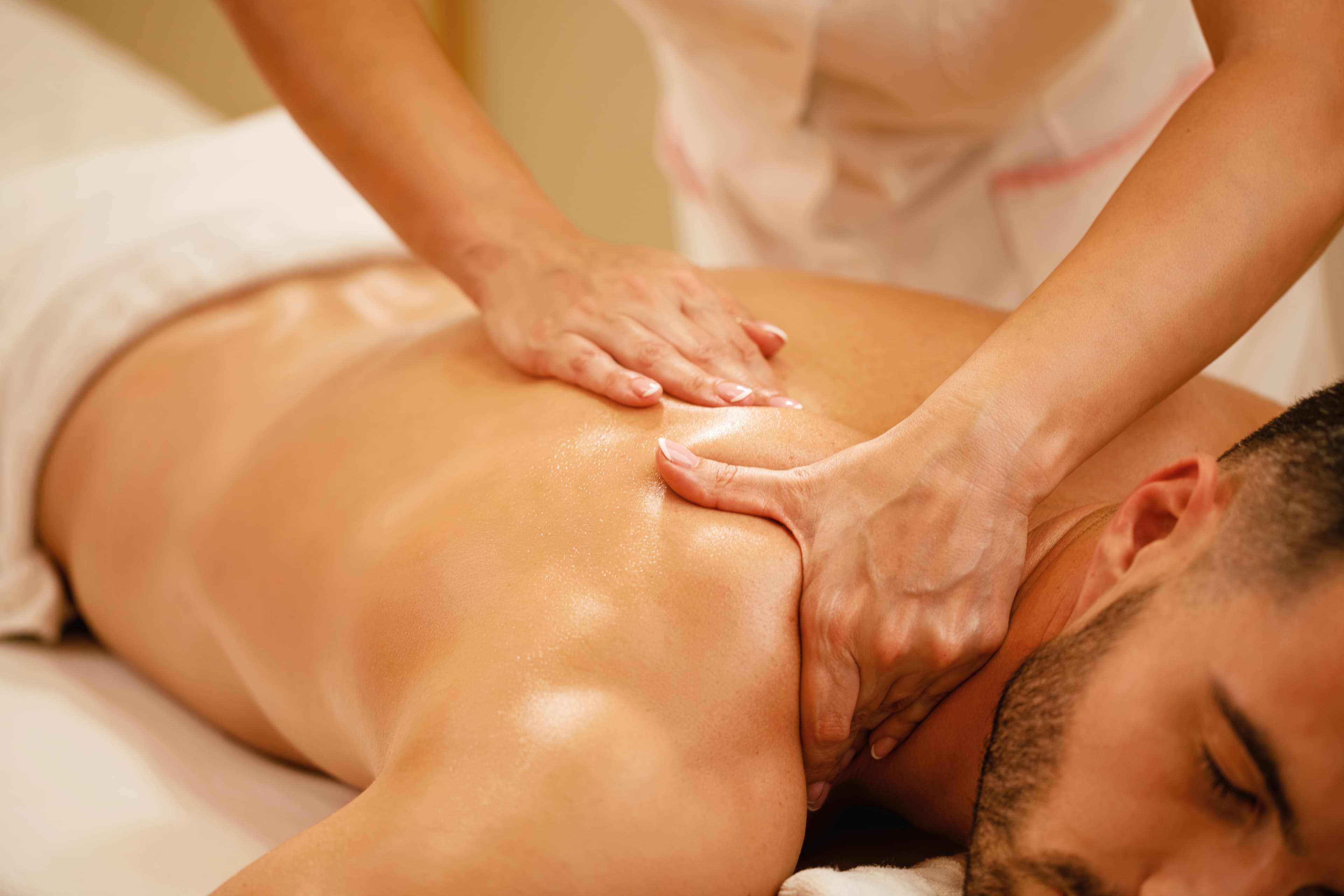
Massage Therapy (RMT)
Restore Balance, Ease Tension, Reclaim Your Life
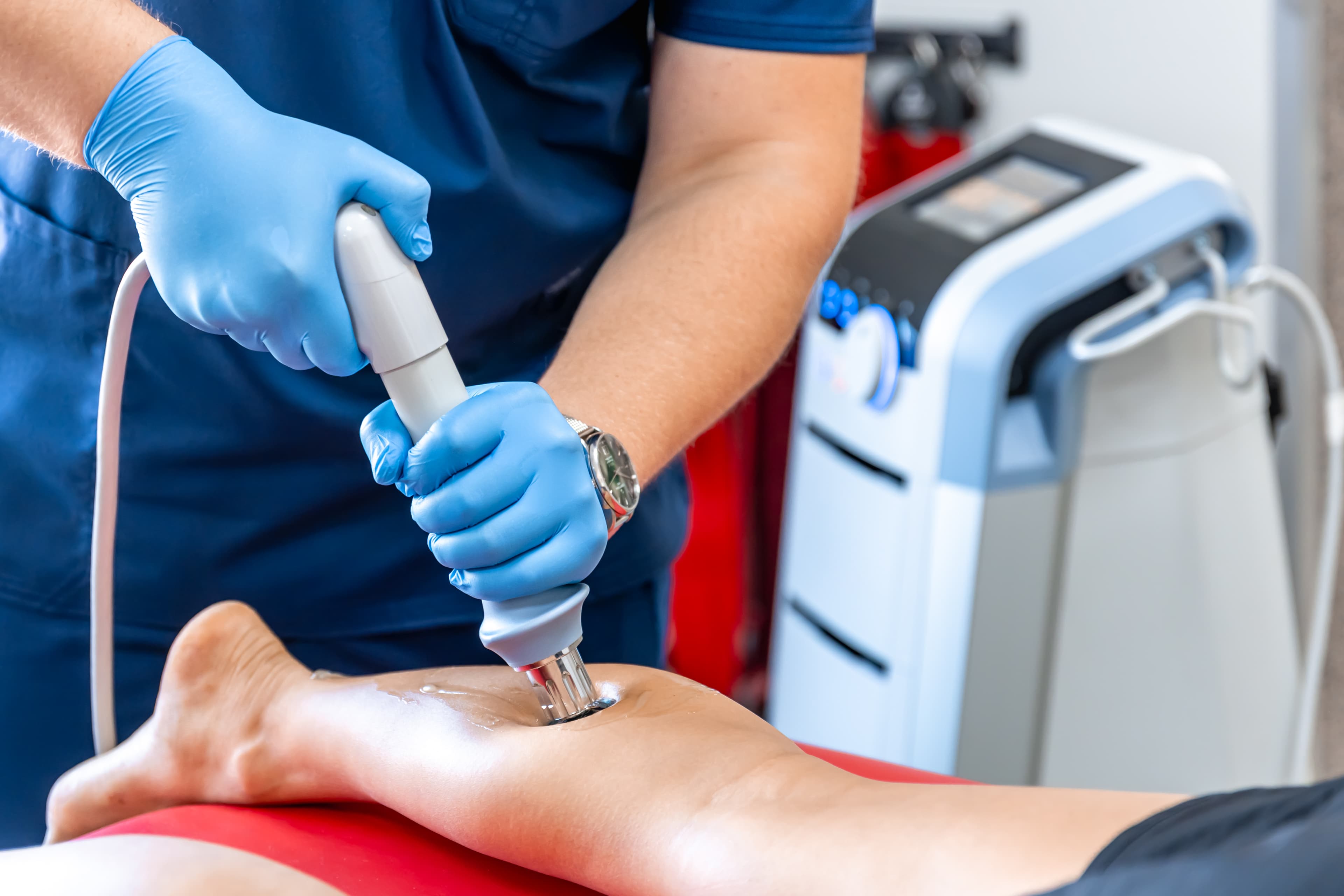
Shockwave Therapy
Shockwave therapy (ESWT) for plantar fasciitis, tendinitis, tennis elbow, and calcific shoulder pain. Non-invasive. Open 7 days.

Pre- and Post-Surgical Physiotherapy
Prehab and post-surgery physiotherapy in Port Credit, Mississauga. One-on-one in-clinic or in-home care, surgeon-aligned plans.
Related Conditions
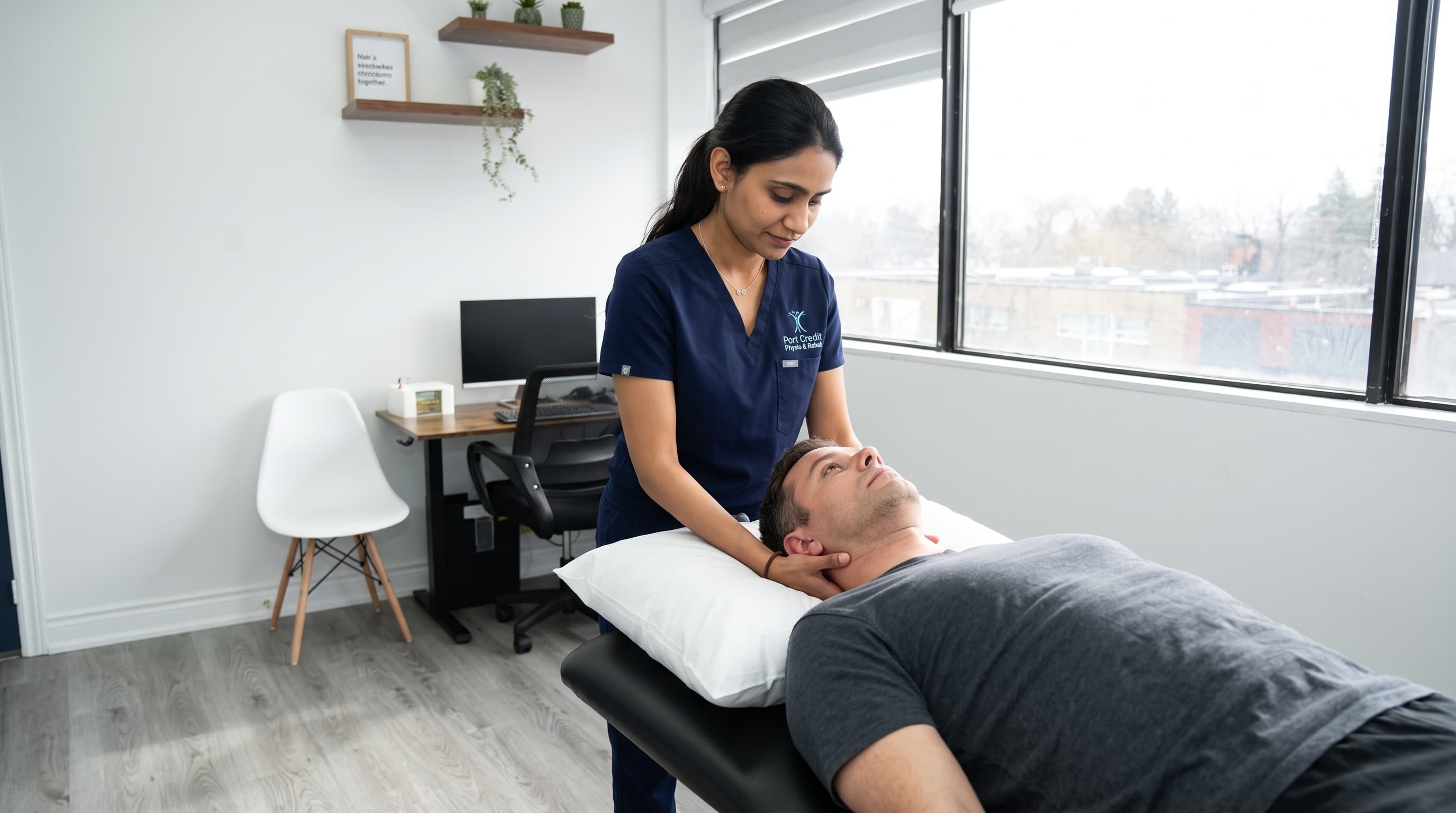
Neck Pain
Neck pain physiotherapy in Port Credit, Mississauga for whiplash, disc issues, cervical radiculopathy & tension headaches. Book today.
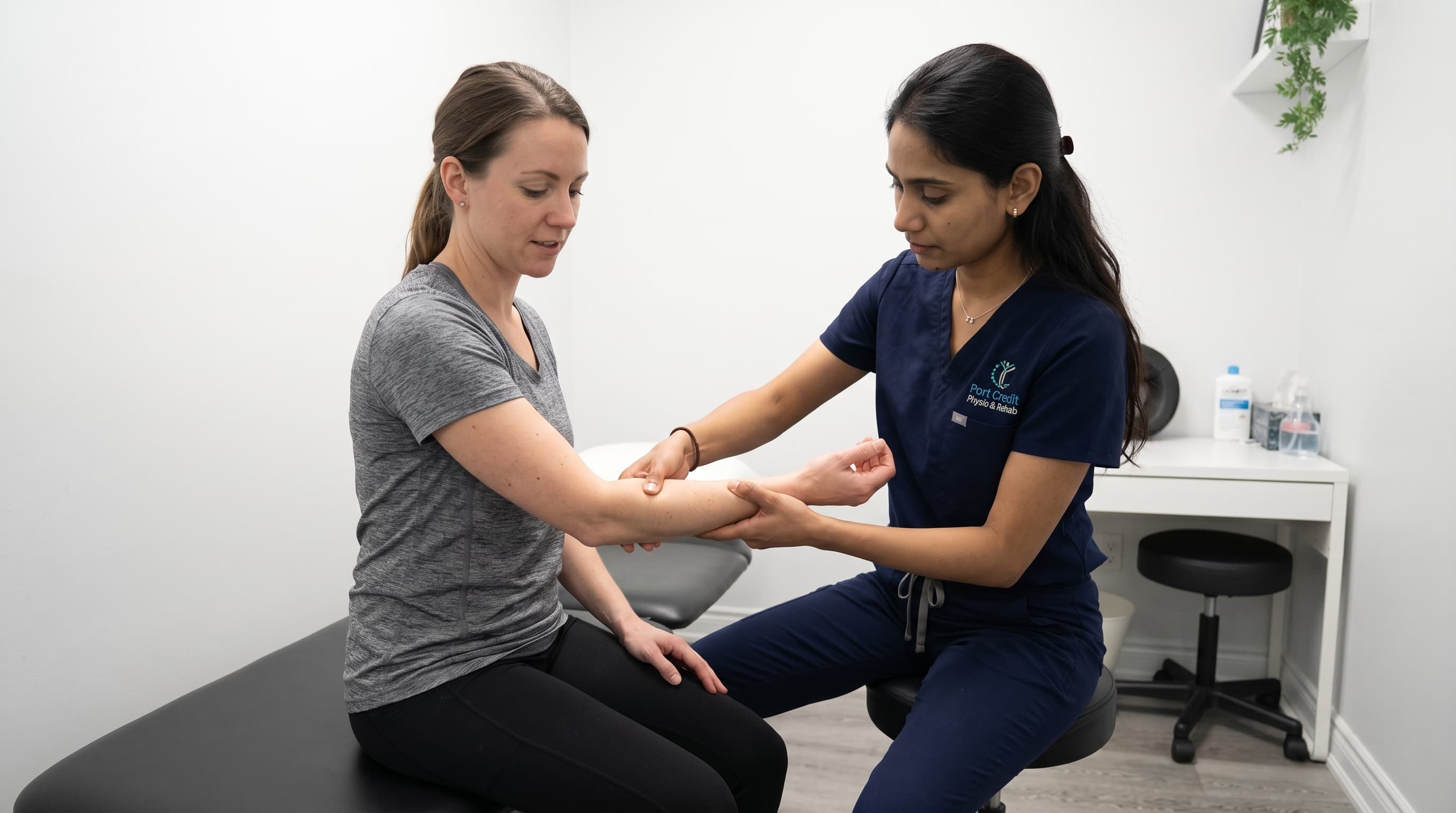
Elbow Pain, Tennis Elbow & Golfer's Elbow
Elbow pain from tennis elbow, golfer's elbow or overuse? Our Port Credit physiotherapists in Mississauga treat the cause so you can grip and lift again.
Book Shoulder Pain Physiotherapy in Port Credit
Don't let shoulder pain limit your work, sleep, or workouts. We see patients from Port Credit, Mineola, Lakeview, Lorne Park, Clarkson, and across Mississauga. No doctor's referral is needed, and we offer direct billing to most major insurers.