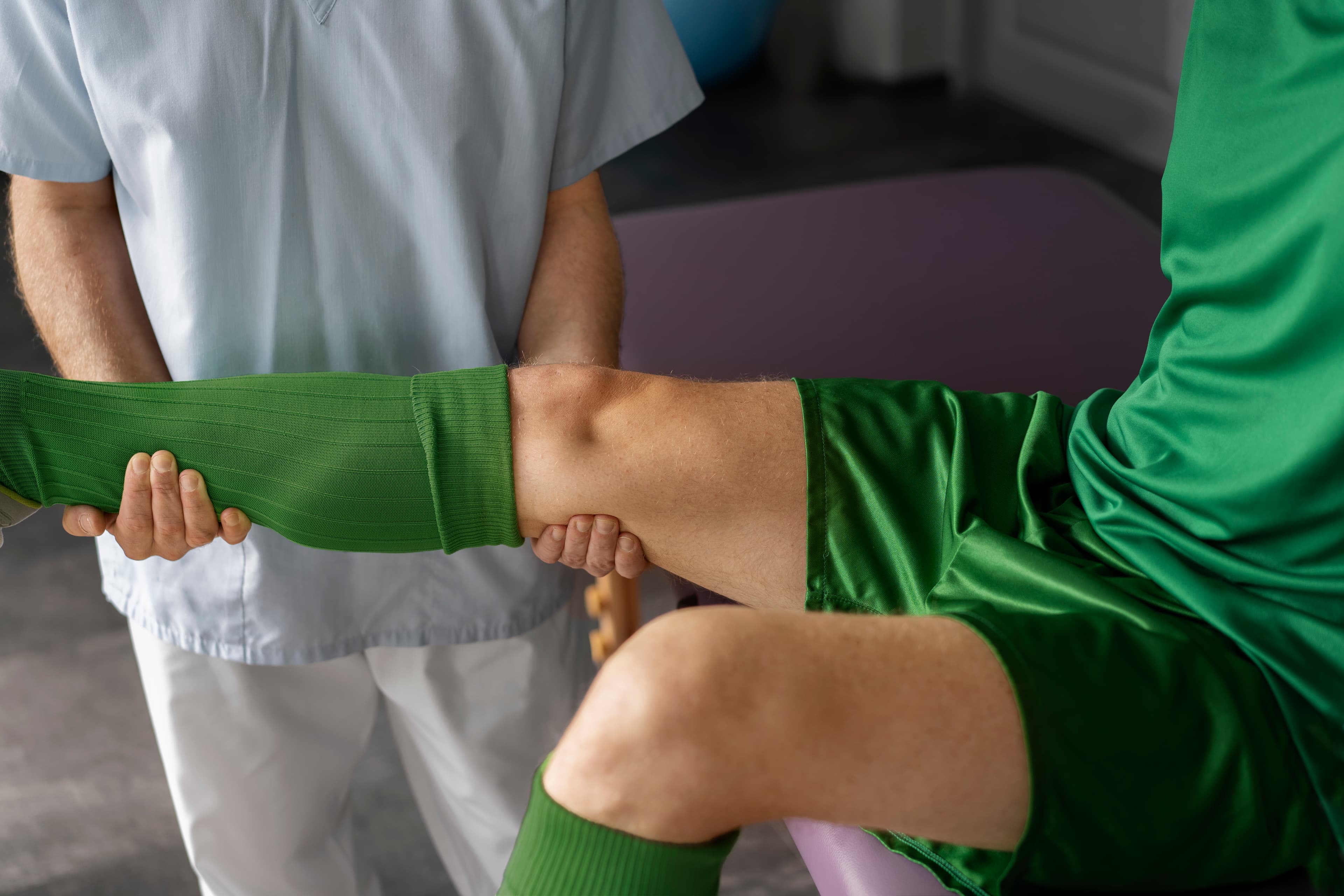
Return Stronger, Not Just Pain-Free
Sports Injury Rehabilitation
An injury shouldn't mean sitting on the sidelines longer than you have to. Whether you're a weekend runner on the Waterfront Trail, a competitive athlete, or someone who just loves staying active, sports rehabilitation is about more than healing. It's about coming back stronger, moving with confidence, and lowering your risk of getting hurt again. At Port Credit Physio & Rehab, our physiotherapists treat the whole athlete, not just the injury. We combine hands-on care, evidence-based techniques, and sport-specific training to take you from pain to performance. A good sports rehab program answers three questions: What caused the injury? How do we heal it properly? And how do we stop it from happening again?
Our Sports Rehab Techniques
Depending on your injury, your program may include:
Graston Technique® — instrument-assisted soft-tissue treatment that breaks down scar tissue and restrictions, especially useful for tendonitis and older injuries
Manual Therapy — hands-on joint mobilization and soft-tissue techniques to reduce pain and restore movement
McKenzie Method® — a research-supported approach for athletes dealing with back pain, neck pain, or sciatica
Progressive Strength & Conditioning — exercises that gradually load the injured area, rebuilding strength, power, and endurance to the level your sport demands
Sport-Specific Training — drills that mimic the movements of your sport, so you're ready for real-game demands
Movement & Biomechanical Assessment — we look at how you run, jump, land, and move to find patterns that may have contributed to your injury
Injury Prevention Programs — strategies and exercises to reduce your risk of future injury
Kinesio Taping — support for injured muscles and joints that keeps you active while you recover
Sports Injuries We Treat
Sprains and Strains
Injuries to ligaments (sprains) and muscles (strains), from mild overstretching to partial tears. Proper rehab restores stability and prevents the weakness that leads to repeat injuries.
Ankle Sprains
One of the most common sports injuries, and one of the most frequently re-injured. Balance and strength training are key to preventing chronic ankle instability. See our ankle & foot pain condition page.
Muscle Tears and Stiffness
Hamstring, calf, groin, and quad injuries are common in running and field sports. Graded loading helps the muscle heal strong and flexible.
Tendonitis
Overuse irritation of tendons, such as in the Achilles, knee (patellar), or shoulder. Treatment focuses on calming the tendon and then progressively strengthening it.
Shin Splints
Pain along the shin bone, common in runners and athletes who suddenly increase their training. We address training load, footwear, and running mechanics.
Tennis Elbow & Golfer's Elbow
Overuse injuries of the tendons on the outside or inside of the elbow, common in racquet sports, golf, and repetitive gripping. See our elbow pain condition page.
Shoulder and Hip Pain
Including rotator cuff injuries, impingement, and hip pain from running, throwing, or overhead sports. If your shoulder pain is actually frozen shoulder, the treatment approach differs — a thorough assessment tells them apart. See our shoulder pain and hip pain condition pages.
Knee Injuries
ACL and meniscus injuries, runner's knee (patellofemoral pain), and IT band syndrome. See our knee pain condition page.
Post-Surgical Sports Rehab
Structured rehab after orthopaedic surgery to rebuild strength and safely return you to your sport. See our pre- and post-surgical physiotherapy service and our post-surgical rehab condition page.
Sport-Related Concussion
Dizziness, balance problems, and visual symptoms after a concussion can be treated through our Vestibular Rehabilitation service.
Signs You May Benefit From Sports Rehab
Pain that hasn't settled after a few days of rest
Swelling, bruising, or stiffness after a fall, twist, or impact
Pain that returns every time you go back to your sport
Reduced strength, speed, or range of motion compared to before your injury
An old injury that never felt "quite right"
You're recovering from surgery and want to return to sport safely
The Stages of Sports Rehabilitation
Protect and Calm
Reduce pain and swelling and protect the healing tissue.
Restore Movement
Regain full range of motion and flexibility.
Rebuild Strength
Progressively load the injured area.
Train for Your Sport
Add speed, agility, and sport-specific movements.
Return to Play
Get back to your sport with a plan to prevent re-injury.
Why Choose Port Credit Physio & Rehab
Whole-athlete approach that treats the cause of the injury, not just the pain
Advanced techniques, including Graston Technique® and McKenzie Method®
Sport-specific programs built around your sport and goals
Open 7 days a week, weekdays 10 AM–8 PM, Saturdays 10 AM–4 PM, and Sundays 10 AM–2 PM
No referral needed — book directly with a registered physiotherapist
Direct billing to most major insurers, so you often won't pay out of pocket
Conveniently located on Lakeshore Road East in Port Credit, serving Mineola, Lorne Park, Lakeview, Clarkson, and all of Mississauga
Physician referrals welcome, though never required
Sports Injury Rehabilitation FAQs
How soon after an injury should I see a physiotherapist?
The sooner the better. Early assessment helps you avoid making the injury worse and often shortens recovery time. Most sports injuries can be assessed within the first few days.
Should I rest completely after a sports injury?
Usually not. Complete rest can lead to stiffness and weakness. Your physiotherapist will tell you which activities are safe and how to stay active while you heal.
How long does sports injury recovery take?
It depends on the injury. A mild sprain may recover in a few weeks, while a muscle tear or post-surgical rehab can take several months. You'll get a personalized timeline at your first visit.
Do I have to be an athlete to get sports rehab?
Not at all. We treat everyone from competitive athletes to weekend warriors, gym-goers, runners, and people who simply want to stay active.
Can you help me prevent future injuries?
Yes. Injury prevention is built into every sports rehab plan, including strength work, movement correction, and training load advice.
Is sports rehab covered by insurance?
Sports rehabilitation is provided by registered physiotherapists, so it's typically covered under the physiotherapy portion of extended health benefit plans.
Related Services
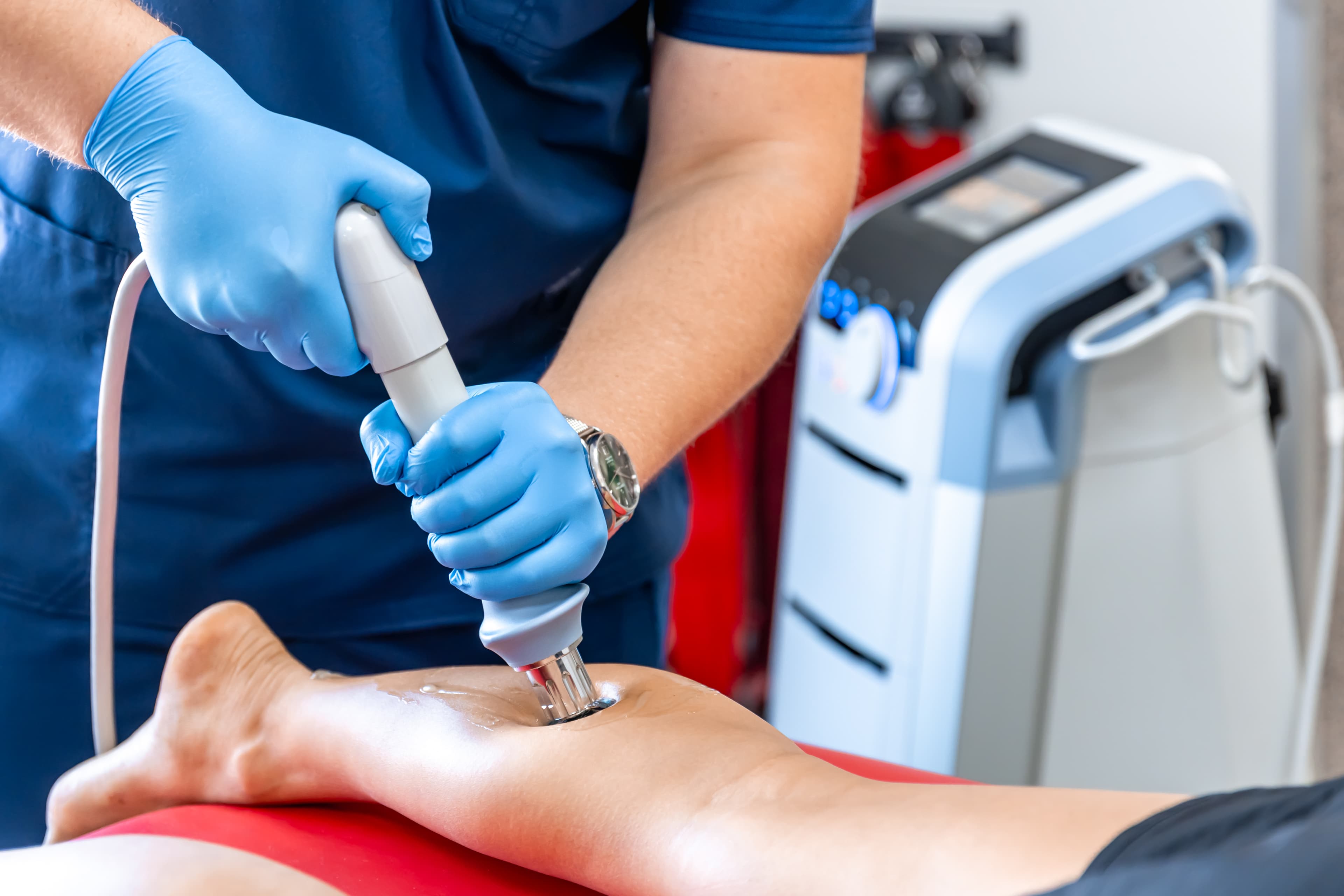
Shockwave Therapy
Shockwave therapy (ESWT) for plantar fasciitis, tendinitis, tennis elbow, and calcific shoulder pain. Non-invasive. Open 7 days.
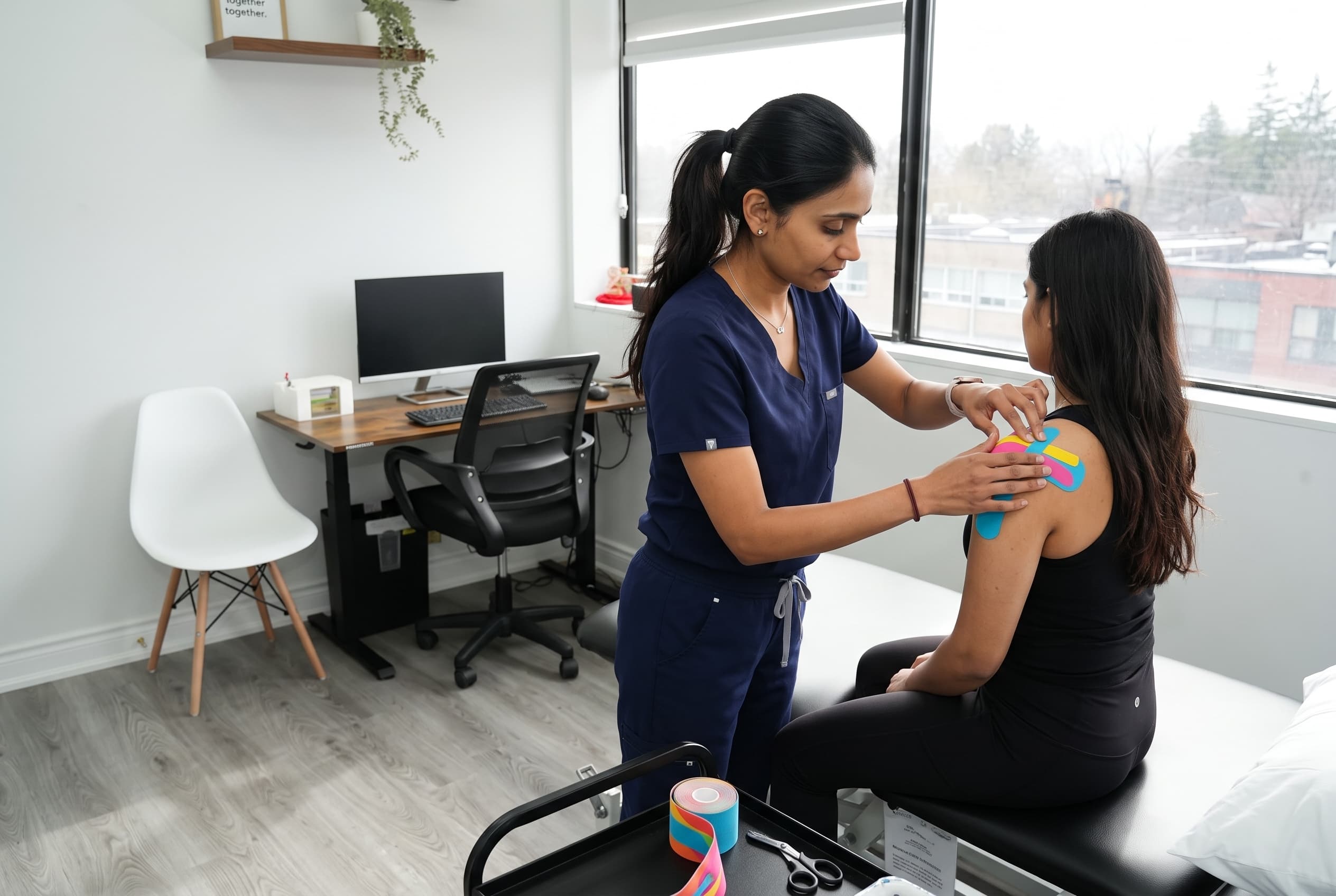
Kinesio Taping
Kinesiology taping to support muscles and joints and ease pain while you stay active, as part of a complete physio plan.

Vestibular Rehabilitation
Dizzy or off-balance? Vestibular rehabilitation for vertigo, BPPV & post-concussion dizziness. Open 7 days. Book today.
Related Reading
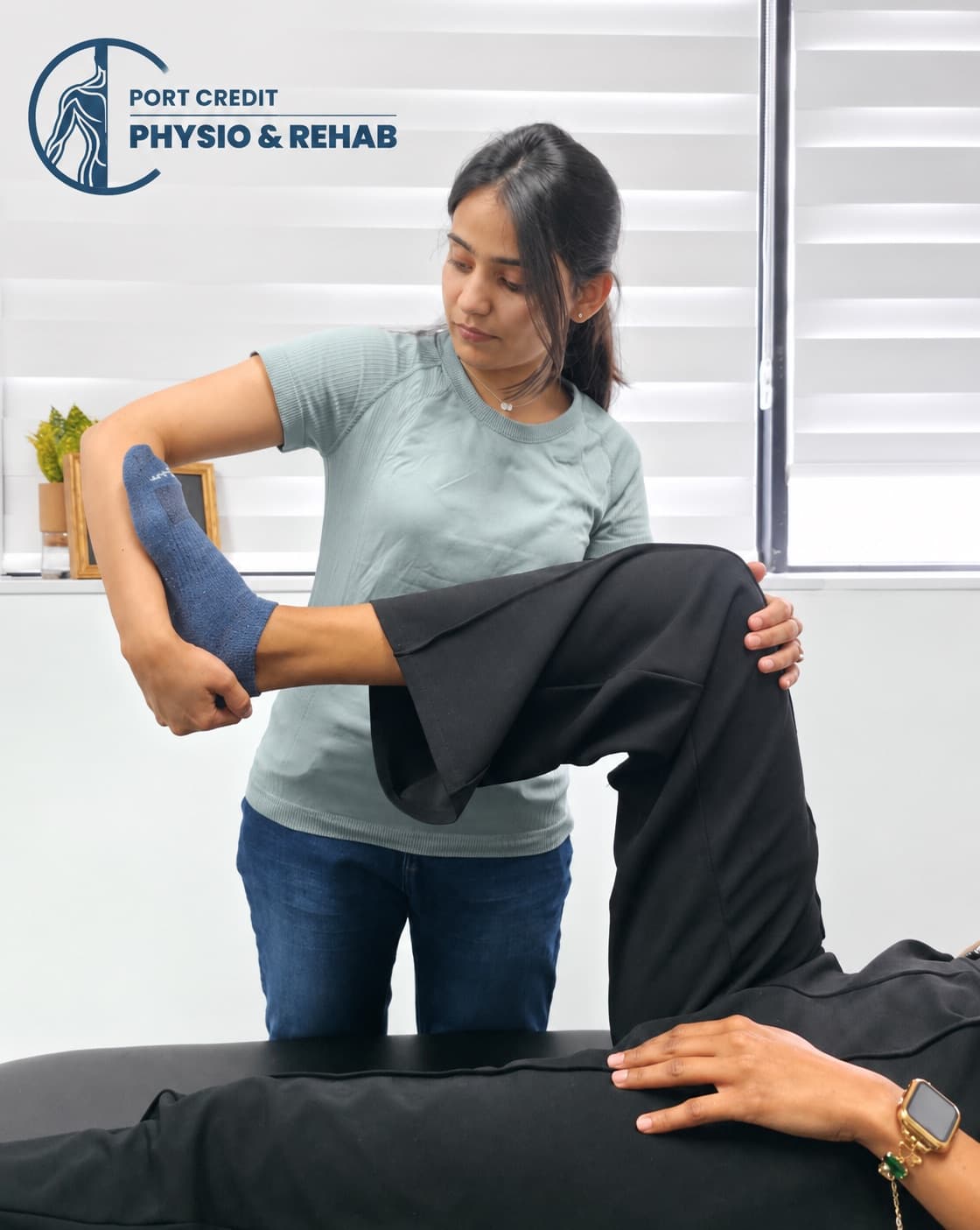
June 1, 2026
Why Does Running Cause Knee, Heel or Shin Pain?
Knee, heel or shin pain while running? Learn the common causes and when to see a physiotherapist in Port Credit, Mississauga. Our experts explain what your body is trying to tell you.
September 20, 2026
Frozen Shoulder in Port Credit and Mississauga: Causes, Stages, and What Actually Helps
Can't lift your arm or reach behind your back? Learn the three stages of frozen shoulder, how it differs from a rotator cuff tear, and the treatments that actually help — from a Port Credit physiotherapist.
Get Back in the Game
Don't let an injury keep you on the sidelines. Book your sports rehab assessment today.